The unnoticed operation of bad blasting media causes unseen damage to your parts and equipment while it steadily reduces your profit margins until someone discovers why the manufacturing process keeps producing defective products. The majority of hardware and contract manufacturing founders who expand their operations view abrasive selection as a purchase order element instead of treating it as an essential process parameter that needs engineering attention.
The selection of media determines how surfaces will appear after processing, while it affects production speed and machine service needs. The final product quality was assessed during the first quality control tests. A glass bead appears to be a basic product until you conduct a production run with incorrect mesh dimensions or work with a supplier who failed to perform proper quality checks.
This guide breaks down sizing, type, and buying criteria so you stop guessing and start specifying.
What Is a Glass Bead?
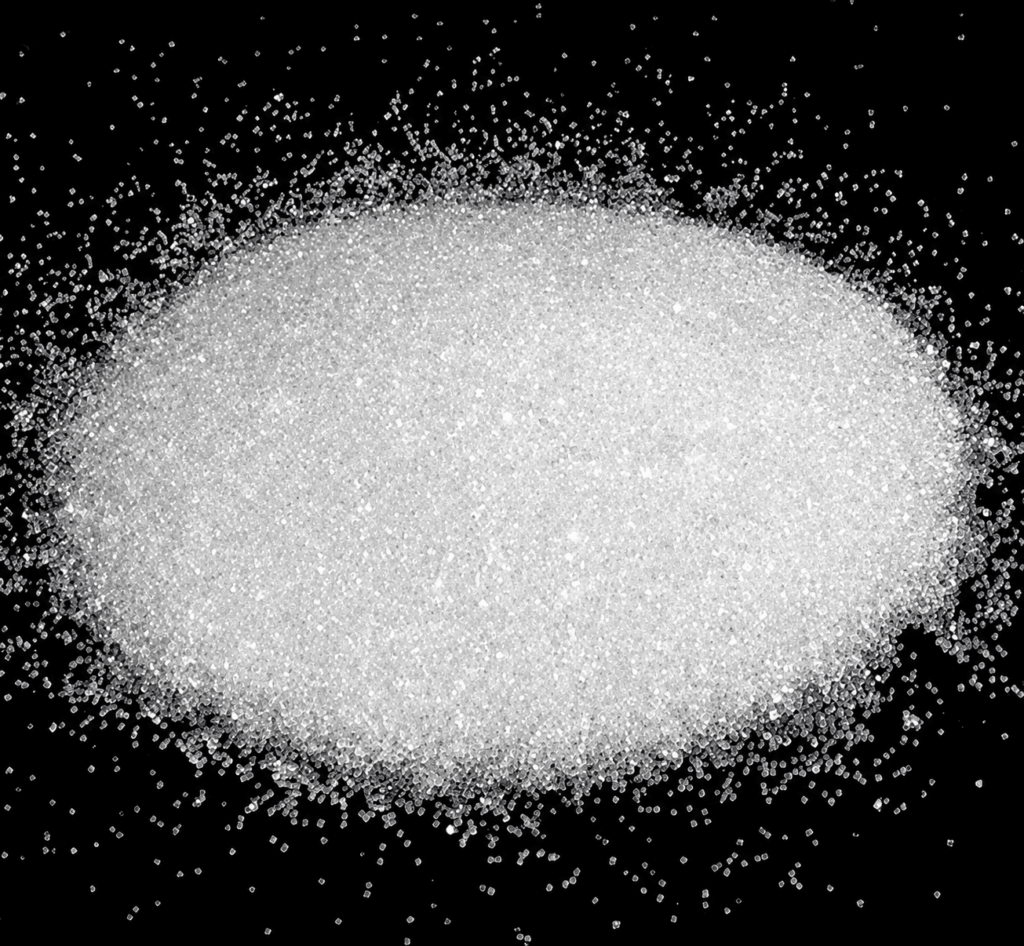
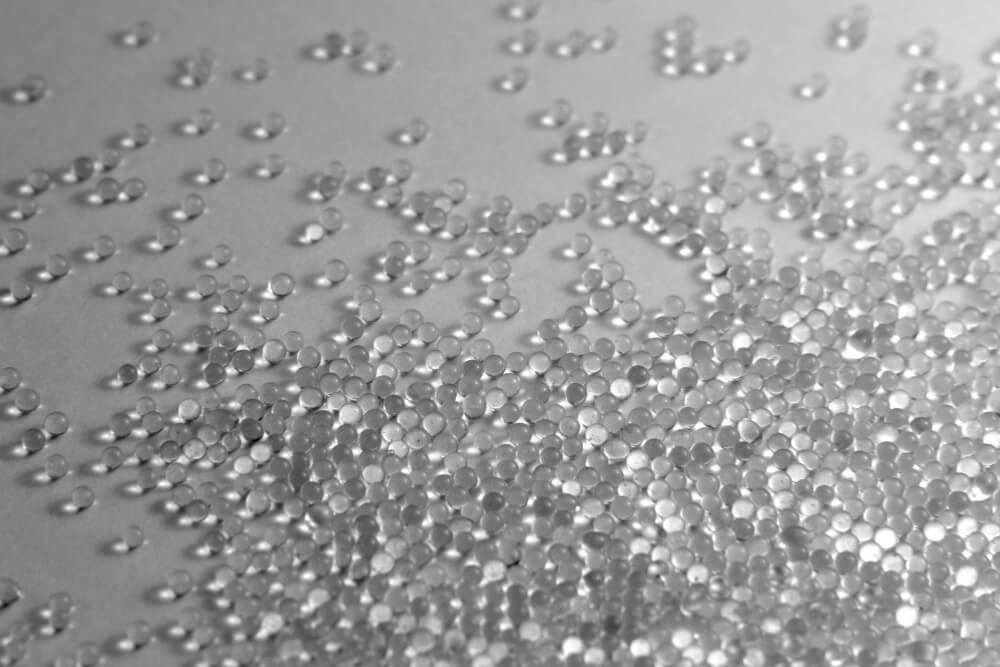
These beads for blasting exist as small particles that form a spherical shape through the use of soda-lime glass that starts as recycled glass or raw silica sand before being melted into spherical forms. The manufacturing process requires material firing at elevated temperatures, which is followed by rapid cooling to produce smooth, dense spheres without any porous surface.
These bead blasting appears as a standard manufacturing process because companies need to clean and deburr their surfaces while maintaining dimensional accuracy and protecting their base materials.
Why Glass Bead Selection Matters
The founders who operate hardware manufacturing facilities and contract manufacturing operations tend to view abrasive media as a simple commodity without business value. The production process encounters problems because the selection of bead size and grade leads to various surface defects that impact equipment operation and cause brittle materials to develop micro-fractures.
Your selection of those beads will determine three essential factors, which include production yield, operation time, and machine maintenance needs for blast equipment. The surface finish of products depends on the selection of beads, which also controls production speed and determines when operators need to replace their blast equipment.
Your business needs to maintain exact product specifications because any variation will generate more expenses than using cheaper materials, since it leads to product defects which need to be corrected and results in equipment downtime and warranty claims. The cost of abrasive media specification remains hidden from product cost analysis until it creates actual problems in the business.
Types of Glass Beads Used in Blasting
Not all beads are interchangeable, and the differences matter more than most spec sheets let on.
Soda-Lime Glass Beads
This type serves as the basic operational bead, which functions as the main workhorse of the system.
The product provides affordable prices to customers because it maintains large stock levels, which enables standard cleaning operations and deburring processes while delivering matt finishing results.
The system operates as the basic framework that supports all high-volume automotive part blasting operations and basic metal fabrication work.
Borosilicate Glass Beads
Borosilicate beads cost more but hold up better under thermal and chemical stress. The additional expenses for your process will result in beads that last longer and are produced more stably. Results during every production run, even under severe working conditions, strong chemical exposure, and regular temperature changes.
Glass Bead Sizes Explained
Bead size, measured in mesh or micron range, is the single biggest lever you have on the outcome. Smaller beads mean gentler, finer finishes; larger beads mean more aggressive material removal.
- Fine beads (80–150 mesh): delicate surfaces, light cleaning, cosmetic finishing on parts where you can’t afford surface damage.
- Medium beads (40–80 mesh): The general-purpose range for deburring, standard cleaning, and most day-to-day production blasting.
- Coarse beads (20–40 mesh): Heavy paint and rust removal, aggressive peening, situations where speed matters more than finesse.
Mesh size isn’t a cosmetic preference; it’s a physical constraint tied to your substrate thickness and tolerance requirements. Run coarse beads on a thin-walled precision part, and you risk warping or over-removal. Running fine beads on heavy rust will unnecessarily increase cycle time.
How to Choose the Right Glass Bead
The selection of proper beads requires you to match four essential elements, which include application needs and substrate characteristics, tolerance specifications, and production speed demands. Begin by establishing the final appearance and operational standards of the part when it reaches the cabinet before you start working backward.
The metal surface that needs paint adhesion should receive bead sizes and pressure levels that build sufficient surface roughness for paint bonding without creating deep base material damage. The fast removal of industrial equipment rust and old coatings requires operators to use coarse beads at high pressure because this approach delivers fast results while ignoring final surface appearance.
A bead specification which worked for your first product run might prove unsuitable for a thinner-gauge revision that you plan to produce six months later. Treat bead selection as a spec that lives in your process documentation, not a one-time purchasing decision.
Glass Beads vs Other Abrasive Media
This bead sits in a specific spot on the abrasive spectrum. Compared to aluminium oxide, those beads are gentler. Aluminium oxide cuts aggressively and removes material fast, but it also profiles and roughens the surface more than most finishing applications want.
Compared to steel shot or steel grit, beads are non-ferrous, which matters if you’re blasting stainless steel or aluminium and need to avoid iron contamination that causes rust staining later.
Compared to sand, beads are rounder, more consistent, and don’t carry the silicosis risk that drove most industrial shops away from silica sandblasting decades ago. If your process needs aggressive stripping, these beads are the wrong tool. If it needs uniform, non-destructive, contamination-free finishing, beads usually win.
Which Industries Use Glass Beads
Automotive shops use beads to prep body panels and engine components before paint. Aerospace manufacturers use it on turbine blades and structural components where fatigue resistance and surface integrity are non-negotiable.
Medical device manufacturers use fine-grade beads to finish implants and surgical instruments, where surface contamination or micro-damage is a regulatory issue, not just a cosmetic one. Electronics manufacturers use it for precision component cleaning.
Jewellery and consumer goods makers use it for matt and frosted finishes. If your product line touches metal, plastic, or glass surfaces that need to look or perform a specific way, there’s a good chance that bead blasting already sits somewhere in your supply chain; you just haven’t audited it yet.
Benefits of Using High-Quality Glass Beads
High-quality beads deliver consistent particle size distribution, which means consistent surface finish across your entire production run instead of visible variance between batches. They fracture less per blasting cycle, which extends usable media life and cuts your consumption rate.
They contain fewer impurities, which reduces the risk of surface contamination and equipment damage from embedded debris.
Reusable media can be used across more cycles before breaking down, which often results in a lower real cost-per-part compared to cheaper media, despite a higher sticker price per bag. When teams buy based only on unit price, they often end up paying more over time.
Common Mistakes When Selecting Glass Beads
The most common mistake is buying strictly on price per kilogram without factoring in bead lifespan or breakage rate. Cheap beads that shatter after two cycles cost more per part than premium beads that last twenty years.
Pick a single mesh size for an entire product line, rather than matching the size to the geometry and tolerance of each specific part.
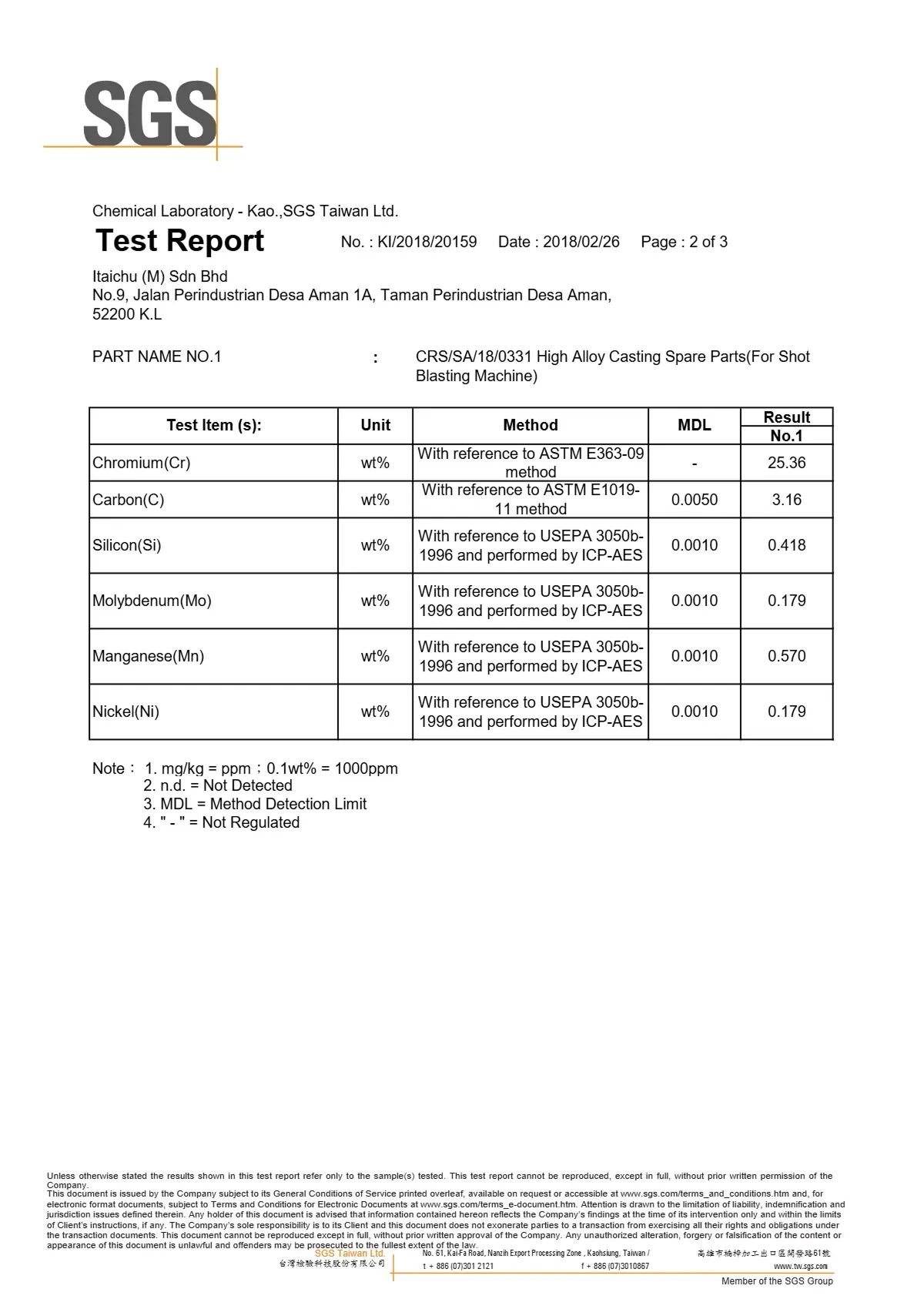
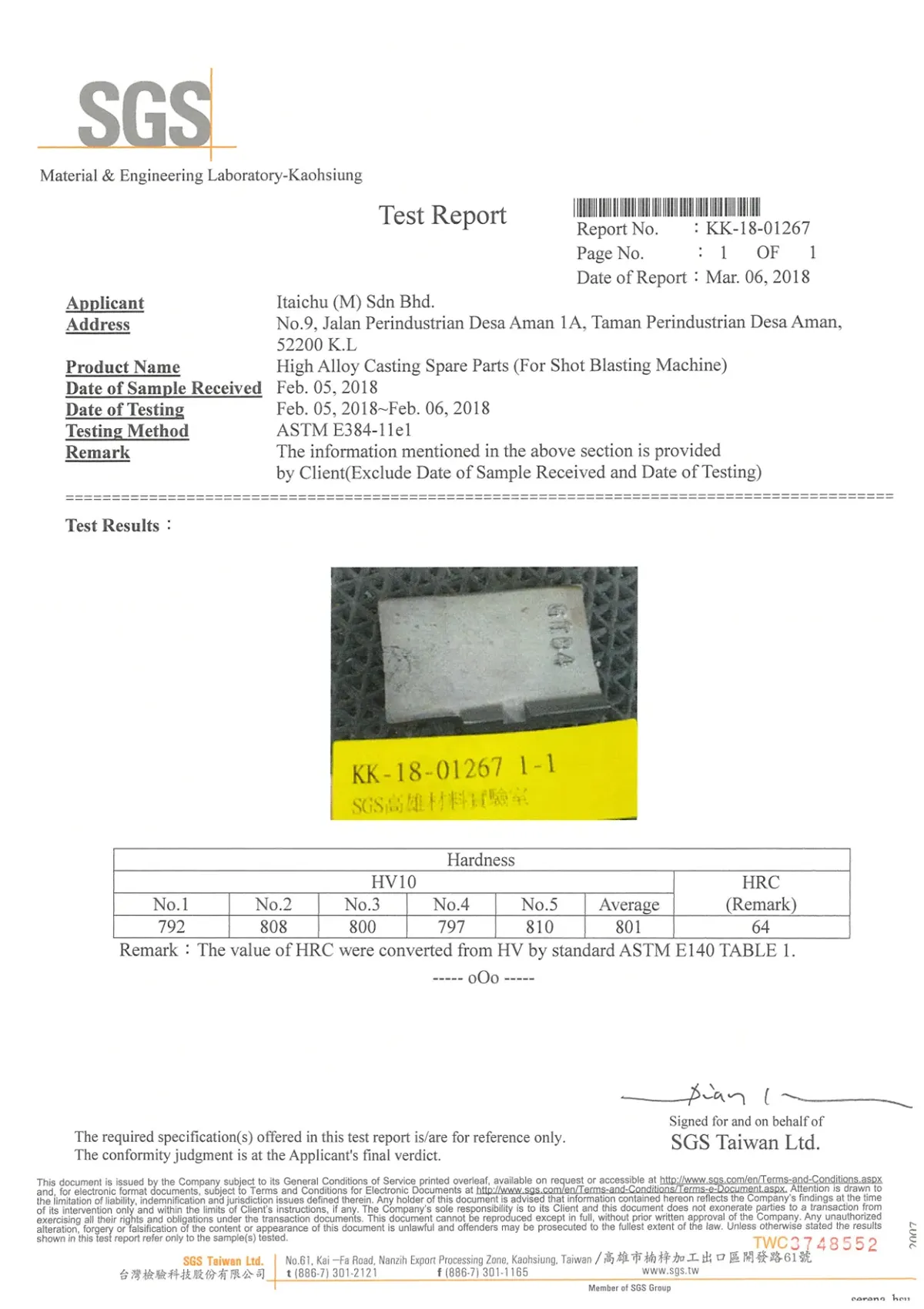
Then ignoring supplier documentation and skipping chemical composition reports and quality certificates means you’re blasting blindly on impurity content.
Failing to recalibrate blasting pressure and distance when switching bead suppliers can lead to issues, as even beads with the “same” mesh size can behave differently due to variations in sphericity and hardness.
This often surprises teams by treating these beads as environmentally or safely neutral without checking supplier certifications. Not all “glass bead” on the market meet the same purity or safety standard.
How to Maximise Glass Bead Performance
Performance success requires ongoing management of four essential elements, which include air pressure, nozzle distance, blast angle and media recycling rate. The combination of lower pressure with shorter nozzle distance produces detailed results which users can control precisely; higher pressure levels at distant positions spread more quickly but reduce work accuracy.
The process of tracking product waste rates through batch monitoring shows that sudden spikes in waste levels indicate media quality problems before they become machine-related issues.
How to Identify High-Quality Glass Beads
Check for visible cracks, chips, or cloudiness under magnification; contaminated or stressed glass fractures faster in use. Request a chemical composition report and a quality certificate from your supplier, or reputable manufacturers provide both without you having to ask twice.
Test hardness consistency, since soda-lime glass should sit around Mohs 5–6; wide variance in a single batch means inconsistent raw material sourcing. Always request a sample before committing to a bulk order. Any supplier unwilling to send one is telling you something about their confidence in their product.
Storage and Handling Best Practices
Store these beads in sealed, moisture-proof packaging in a dry environment. Moisture causes clumping and can degrade bead integrity over time, especially in humid climates.
Avoid stacking heavy loads on top of bagged media, since crushing weight fractures beads before they ever reach the blast cabinet. Keep different mesh sizes clearly labelled and physically separated to prevent cross-contamination, which is a surprisingly common source of inconsistent finish quality on the shop floor.
Buying Checklist for Glass Beads
- Confirm mesh size matches your specific application and substrate tolerance.
- Request a chemical composition report and quality certificate
- Verify sphericity and check for cracks or impurities in a sample
- Compare cost-per-part, not just cost-per-kilogram, factoring in breakage rate
- Confirm packaging is sealed and moisture-resistant
- Check supplier responsiveness and willingness to provide samples before bulk order
- Verify the supplier can maintain consistent supply at your required volume
Why Choose ITAICHU Glass Blasting Beads
ITAICHU builds its bead line around the two things that actually separate good media from bad or raw material consistency and documented quality control. Every batch ships with chemicals. You will have composition data and certification, so you will not be working blind on impurity content or guessing at hardness variance between orders.
The bead sphericity stays tight across mesh grades, which means the finish you get on your first bag matches the finish you get on your fiftieth, a consistency problem that quietly derails a lot of production lines using lower-tier suppliers. For teams that need predictable, repeatable results at production volume, that consistency is the actual product, not the bag of glass.
Conclusion
Most teams don’t lose money on abrasive media. They picked the wrong supplier, so they lost it because they never treated the spec as worth revisiting. Your product line changes, your tolerances tighten, your volumes scale, and the media that worked at launch quietly stops being right eighteen months later.
The fix isn’t complicated, so document your spec, request certification, test samples before bulk orders, and audit performance by batch instead of by gut feel. A glass bead is a small, cheap component in your process, right up until it isn’t, and the cost of ignoring it always shows up somewhere else on the P&L.
FAQs
Medium beads (40–80 mesh) work best for automotive paint prep, so they clean surfaces and create enough profile for adhesion without gouging thin body panels or removing excessive base material during the process.
Yes, high-quality beads survive multiple cycles before fracturing, often 20+ passes depending on pressure and hardness. Cheap or recycled-glass beads shatter faster, increasing the consumption rate and driving up your real cost per part significantly.
Bead blasting is significantly safer than silica sand blasting since it doesn’t carry the same silicosis risk. Beads are also non-ferrous, avoiding iron contamination issues that occur when blasting stainless steel or aluminium.
Reliable suppliers provide chemical composition reports, quality certificates, and free samples before bulk orders. If a supplier hesitates on documentation or sample requests, that reluctance usually signals inconsistent sourcing or unverified product quality.