Rust doesn’t wait. Neither does a coating that’s about to fail because nobody bothered to prep the metal underneath properly. Walk into any fabrication yard, shipyard, or foundry in Malaysia and you’ll find the same problem repeating itself: paint peeling off within a year, welds that won’t hold, castings full of leftover sand nobody cleaned out. Nine times out of ten, the root cause traces back to one thing — the surface wasn’t prepared right before anything touched it.
That’s where shot blasting comes in. It’s not glamorous work, but it’s the difference between a coating that lasts fifteen years and one that bubbles up in eighteen months. This guide walks through what surface preparation shot blasting actually does, why it matters for rust, steel structures and castings specifically, and how to avoid the mistakes that cost Malaysian manufacturers time and money.
What Is Surface Preparation Shot Blasting?
At its core, shot blasting fires abrasive media — small steel particles, usually — at a metal surface under high pressure. A centrifugal wheel (or in some setups, a compressed air nozzle) flings the media at speeds high enough to strip away rust, old paint, mill scale, and whatever grime has built up over the years. What’s left is a clean, slightly roughened surface. That roughness isn’t accidental. It’s called an “anchor profile,” and it’s exactly what new coatings, primers, or welds need to grip properly.
Compare that to sandblasting, which many people still use as a catch-all term. Traditional sand media creates silica dust, which is a genuine health hazard and increasingly restricted across Southeast Asia. Steel-based media — shot or grit — does the same job without that risk, and it’s reusable, which cuts down on waste disposal headaches too.
Malaysia’s heat and humidity don’t help matters. Steel left outdoors here corrodes faster than in drier climates, so the blasting step isn’t optional for anyone serious about product longevity — it’s foundational.
Shot Blasting for Rust Removal: Why It Works
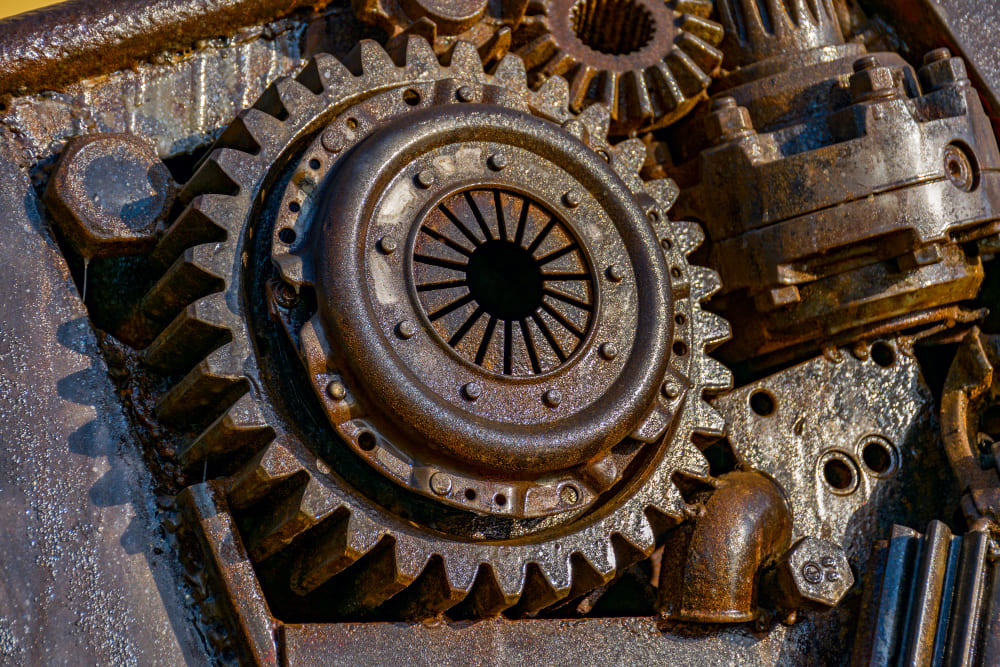
Rust isn’t just a cosmetic issue. It’s active corrosion eating into the base metal, and if you paint over it without removing it first, you’re just sealing a problem inside a fresh-looking shell. Within months, the rust keeps spreading underneath, and the coating bubbles, cracks, and flakes off.
Shot blasting for rust removal physically knocks the oxidized layer off the metal, down to bare, sound steel. Unlike wire brushing or grinding, which can miss pitted areas or leave inconsistent results, blasting reaches into every crevice and corner. It’s faster too — a job that might take a technician hours with hand tools can be done in a fraction of the time on a blasting line or in a blast cabinet.
There’s also a grading system worth knowing. Standards like SA 2.5 (near-white metal) or SA 3 (white metal) describe how thoroughly rust and scale have been removed, and most industrial coating specifications in Malaysia’s oil and gas, marine, and construction sectors will call for one of these grades explicitly. Getting that grade right the first time avoids rework, which is where real money gets wasted.
Shot Blasting for Steel Structure: Getting It Paint-Ready
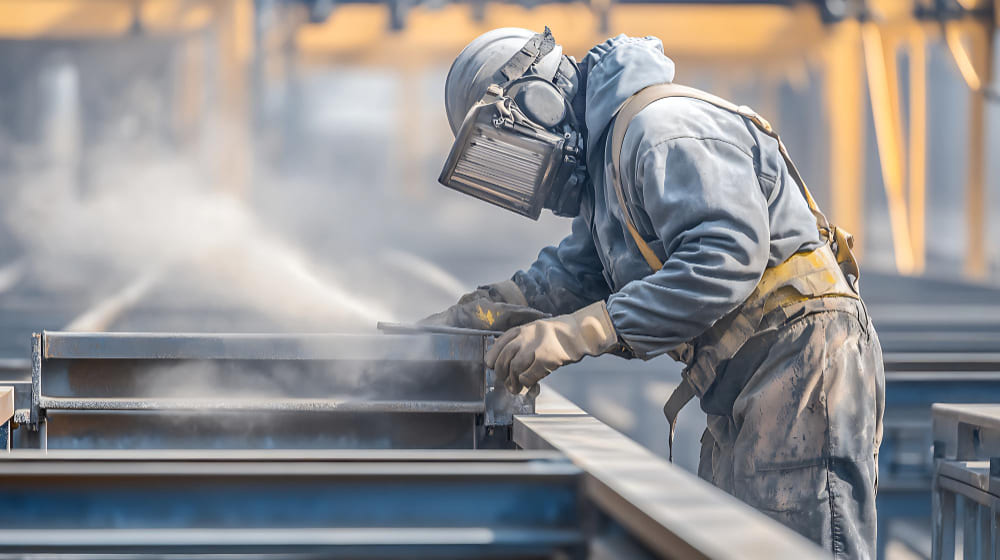
Structural steel — beams, columns, trusses, the stuff that holds buildings and bridges together — goes through a rough life before it even gets installed. Mill scale forms during manufacturing. Rust creeps in during transport and storage. Oil and grease from handling leave residues that no coating will stick to.
Shot blasting for steel structure work strips all of that away in one pass, leaving a uniform surface ready for priming or galvanizing. This matters enormously for long-span structures and marine applications, where a coating failure isn’t just unsightly — it’s a structural risk. A beam that starts corroding from the inside out because of poor surface prep can compromise load-bearing capacity over time, and nobody wants to discover that during an inspection years down the line.
For larger steel sections, automated blast lines using steel shot handle the job efficiently, cycling the media continuously through the system so there’s minimal downtime between batches. Smaller or irregularly shaped components sometimes need hand-held blasting or cabinet work instead, particularly where access is tight — around bolted joints, for instance, or inside box sections.
One thing fabricators in Malaysia often overlook: blasting too far ahead of the coating application. Bare steel starts to re-oxidize almost immediately in humid conditions, sometimes within hours. The window between blasting and priming should be kept as short as practically possible, or you end up blasting twice.
Shot Blasting for Castings: Removing Sand, Scale and Core Residue
Castings come out of the mould looking rough, and that’s putting it mildly. Sand from the moulding process clings to the surface. Scale forms from the casting’s exposure to high heat. Internal cores — the sand structures used to form hollow sections — leave residue that needs to come out before the part is usable.
Shot blasting for castings handles all three problems at once, and it’s a standard step in nearly every foundry workflow, whether the output is automotive components, pump housings, or valve bodies. Tumblast machines, which tumble smaller castings through a continuous blast stream, work well for batch processing. Larger or more delicate castings often go through hanger-type or rotary table systems instead, where the part stays relatively still while the blast wheels do the work around it.
Media choice matters here more than people expect. Steel grit, with its angular shape, cuts more aggressively and works well for stripping stubborn sand and scale from cast surfaces. Steel shot, being rounder, leaves a smoother finish and is often preferred for a final cleaning pass once the heavy residue is gone. Many foundries run a blend of both, adjusting the ratio depending on how dirty the incoming castings are and what finish the downstream process — machining, coating, assembly — requires.
Get this step wrong, and problems show up later. Residual sand can jam machining tools or contaminate paint lines. Incomplete scale removal can cause adhesion failures in anything applied afterward. It’s cheaper to blast properly once than to troubleshoot a coating failure three steps down the production line.
Choosing the Right Blasting Equipment for Your Workpiece
Not every job calls for the same machine, and this is where a lot of smaller operations go wrong — they try to force one setup to handle everything.
Small, loose parts that can tumble without damaging each other suit tumblast machines well. Think fasteners, small castings, brackets. Larger or heavier components that shouldn’t knock around freely need hanger-type or monorail systems, where parts are suspended and the blast wheels work around a fixed position. Long, continuous items — pipes, structural sections — often run through horizontal conveyor or roller conveyor systems, which keep the workpiece moving steadily through the blast chamber.
Then there’s the abrasive itself. Hardness, shape, and size all affect the outcome. A coarser, angular grit strips faster and leaves a deeper profile, useful when there’s heavy scale or old coating to remove. A finer, rounder shot gives a smoother, more even finish, better suited to final preparation before precision coating work. Getting this pairing wrong doesn’t just slow the job down — it can leave an anchor profile that’s either too shallow for the coating to grip or so aggressive it damages thinner-gauge material.
It’s also worth checking how the equipment handles reclaim and dust collection. Industrial blasting generates a fair amount of airborne particulate, and a machine without proper reclaim systems wastes abrasive and creates a messier, less safe working environment.
Common Mistakes in Surface Preparation Shot Blasting
A few patterns show up again and again across Malaysian fabrication shops and foundries.
Skipping surface profile checks is a big one. Operators blast a part, it looks clean, and they move on without verifying the anchor profile actually matches what the coating spec requires. Too shallow, and adhesion suffers. Too deep, and you risk coating thickness issues at the peaks.
Using the wrong abrasive size or hardness for the job is another. Running overly aggressive grit on thin sheet metal can warp or pit the surface. Running abrasive that’s too soft on heavy scale just wastes time and media without getting the job done.
Letting too much time pass between blasting and coating causes flash rust, especially in Malaysia’s humid conditions — this one catches out even experienced operators who assume a few hours won’t matter.
And finally, neglecting equipment maintenance. Worn blast wheels, clogged reclaim systems, and contaminated media all degrade blast quality over time, even if nobody notices immediately. Regular checks catch this before it shows up as inconsistent surface finish on the production floor.
Why Choose Itaichu for Surface Preparation Shot Blasting in Malaysia
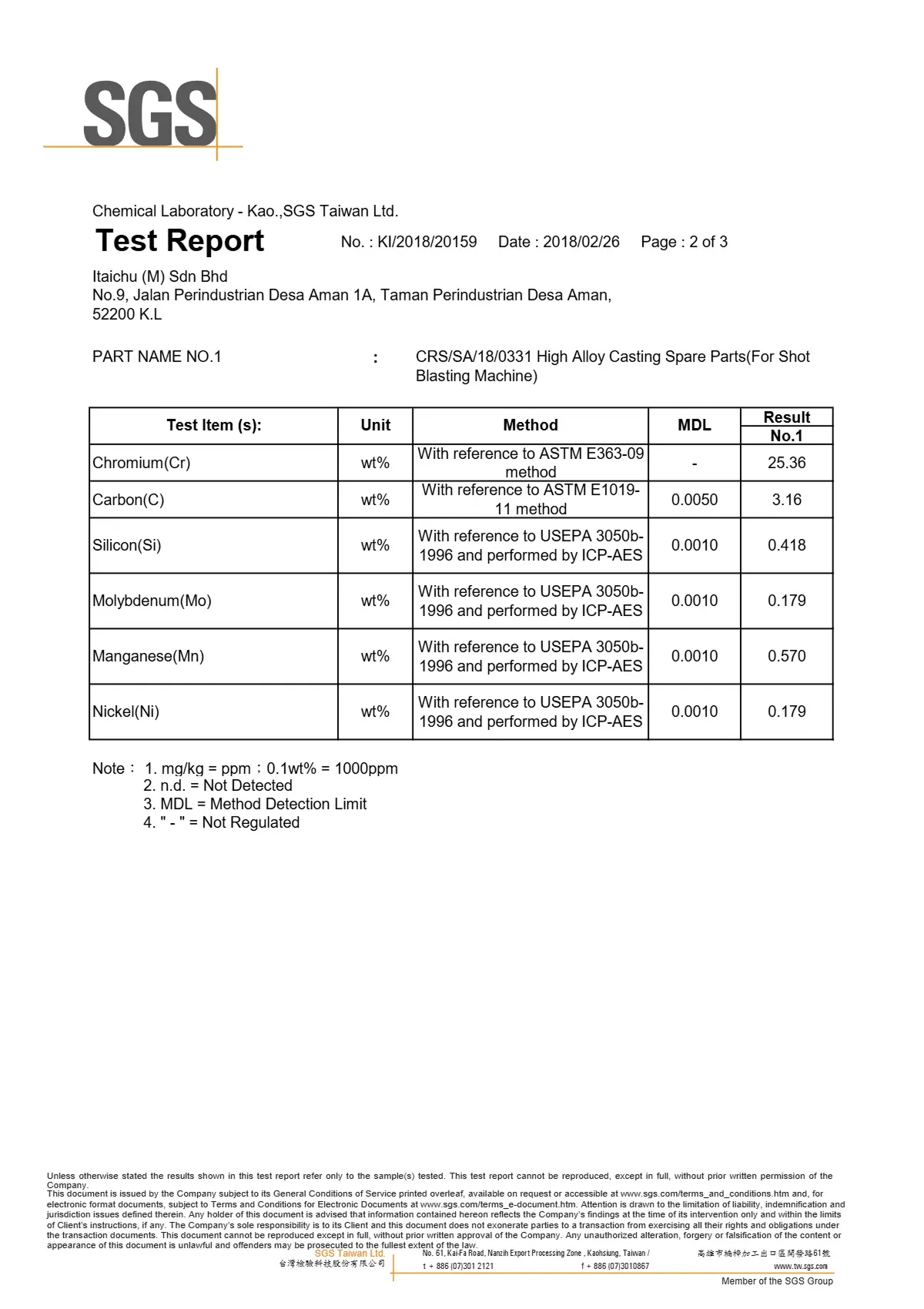
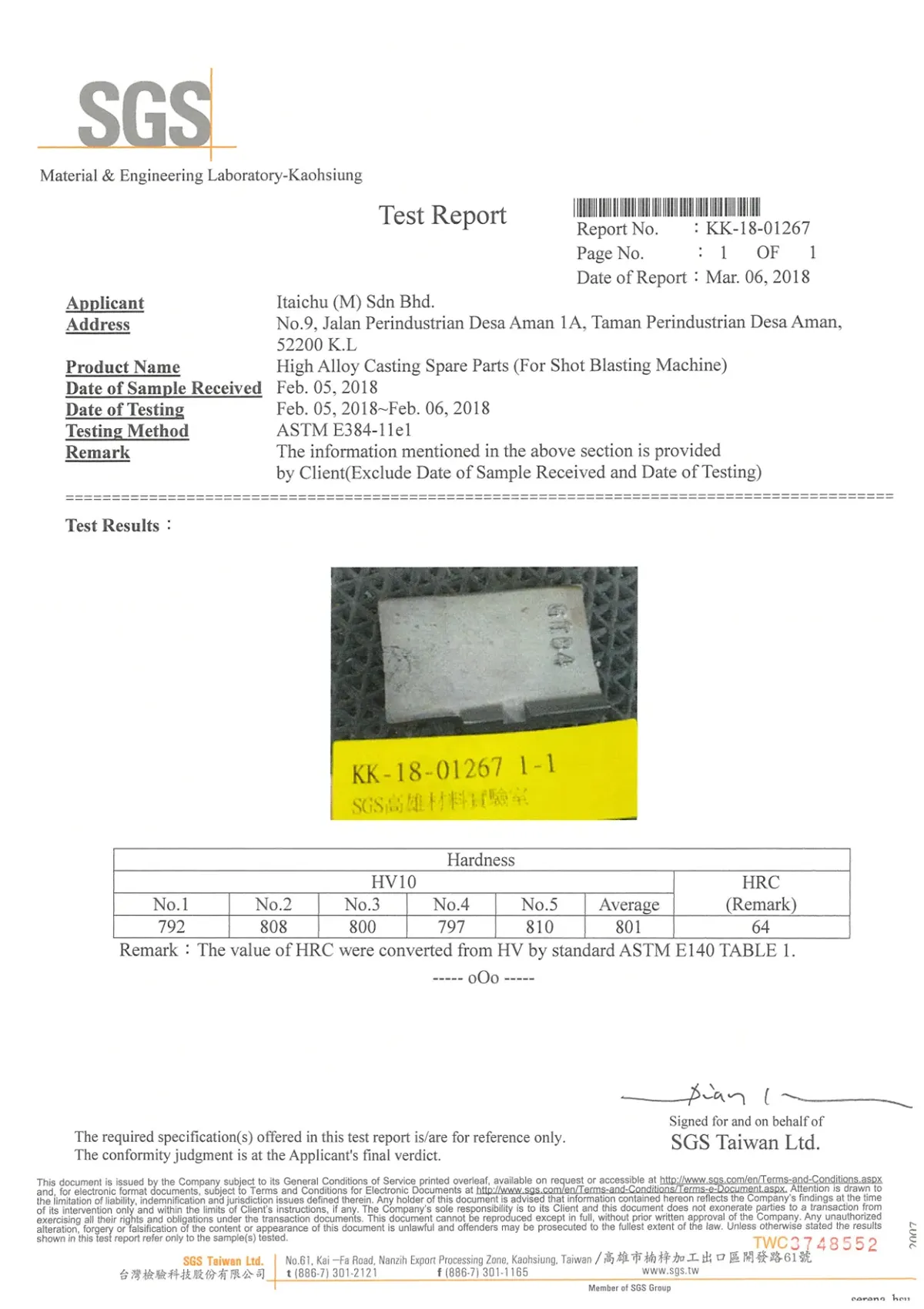
Itaichu has spent decades supplying blasting machines, abrasive media, and blasting services to industries across Malaysia — automotive, marine and offshore, oil and gas, steel engineering, foundry, and more. The company supplies Tochu blasting machines as sole distributor in the region, alongside a full range of abrasive media including steel shot and steel grit produced to consistent hardness and sizing standards.
Beyond equipment and media, Itaichu’s local service team supports installation, maintenance, and troubleshooting, which matters when a blast line going down means a whole production schedule slipping. For companies that don’t want to invest in their own equipment, Itaichu’s shot-peening and blasting services offer an alternative — outsourcing the surface prep step without the capital outlay.
Conclusion
Surface preparation shot blasting isn’t a step to rush or shortcut. Whether it’s rust eating into structural steel, mill scale on a fresh batch of castings, or sand residue clinging to a foundry part, the quality of that prep work determines how long everything downstream actually lasts. Get the equipment, media, and process right, and coatings hold, welds stay sound, and parts perform the way they’re supposed to.
FAQs
Shape, mainly. Shot is round, so it polishes as it blasts and leaves a smoother finish. Grit is angular — it bites harder into the surface. Most shops run grit first to chew through scale or old paint, then switch to shot for the final pass.
There’s no fixed number — it comes down to how hard you’re running the equipment and the quality of media you started with. What stays constant is this: every cycle wears the particles down a little. Screen it regularly. Once it’s too worn, cutting power drops and your surface finish starts looking inconsistent, even if nothing else changed.
Absolutely, and it happens more than people admit. Wrong media size, too much pressure — either one can warp a thin sheet or leave it pitted. The fix isn’t complicated. Dial back the pressure, go finer on the abrasive, and thin-gauge steel comes through fine.
Not long. A few hours, tops, especially in Malaysia’s humidity. Bare steel starts flashing rust almost as soon as it’s exposed, so the real answer is: coat it as soon as you reasonably can. Waiting until tomorrow is already pushing it.
Mostly, yes. Sand, scale, core residue — blasting clears all of it. The exception is delicate or thin-walled castings, which need softer media or a gentler setting. Otherwise you risk damaging the part while you’re trying to clean it.