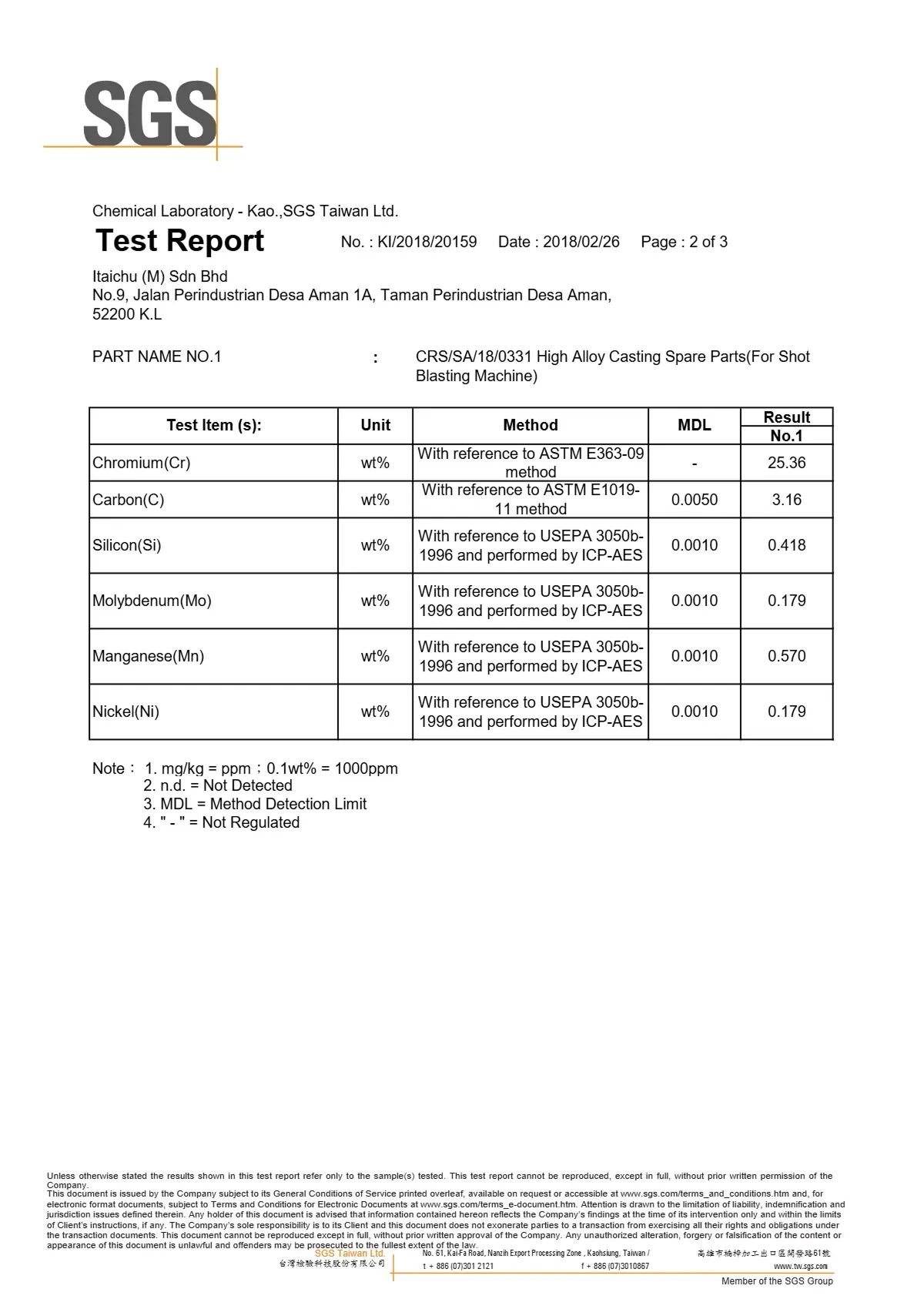
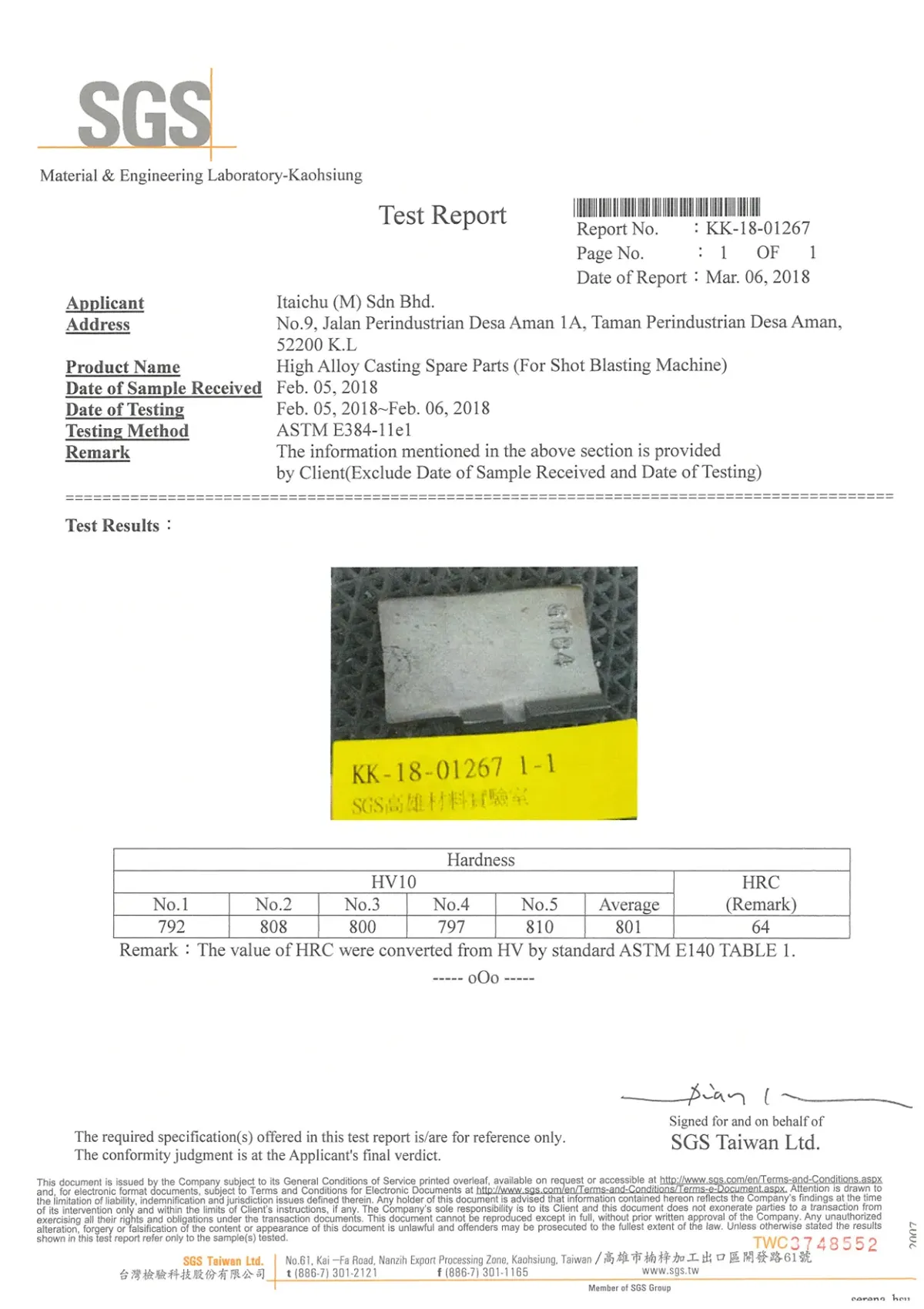
This equipment doesn’t fail all at once; it fails one worn-out component at a time, and most operators only notice after the damage compounds into unplanned downtime. A blast wheel blade wears down quietly for weeks before anyone catches the drop in surface profile quality. A hose degrades from the inside while looking perfectly fine from the outside. By the time a founder sees the failure on a production report, three other components have already started wearing faster because of it.
An operation running fabrication, shipbuilding, or metal-finishing lines can’t afford to treat blasting equipment as one big asset that either works or doesn’t; it’s a chain of individual parts, each with its own failure clock, and this article breaks down exactly what makes up that chain.
What Makes Up a Blasting Equipment System
These systems are basically a chain of mechanical, pneumatic, and filtration components, working in sequence, kind of like one after the other.
That’s why the blast wheel or, in some cases, the nozzle throws abrasive onto the surface, and, in response, the conveyors and elevators keep moving the media through the whole loop.
These filters clean the air and reclaim usable abrasive, and PPE protects the operator standing next to all of it. Founders scaling a fabrication, shipbuilding, or metal-finishing operation tend to treat this system as a single asset.
There are twenty or more individual wear parts, each with its failure timeline, and ignoring this reality is how a planned maintenance budget turns into an emergency one.
Blast Wheel: The Heart of Blasting Equipment
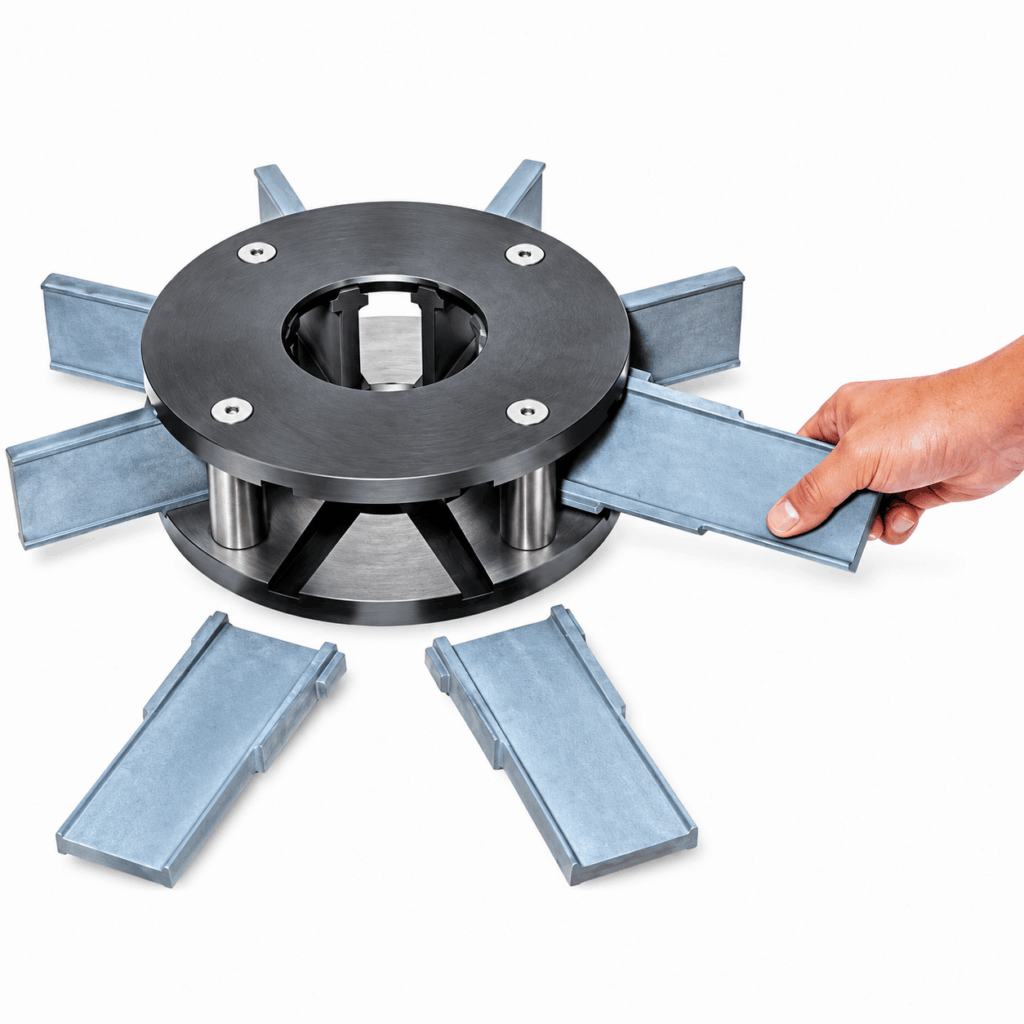
The blast wheel pretty much does the real work; it flings abrasive at a high velocity, using centrifugal force instead of compressed air, and that’s why it is often the standard pick for high-throughput jobs like structural steel cleanup or pipe cleaning.
In the wheel housing, the impeller, the blades, and the control cage all wear at different rates, so when one part drifts off, the whole vibe gets off too. A worn blade will throw abrasive in an uneven pattern, leaving inconsistent surface profiles that then fail inspection.
Some teams treat the blast wheel as a single unit rather than an assembly of replaceable parts, resulting in them swapping the entire housing when a $40 blade would have sufficed.
Rubber Conveyor Belt
The rubber conveyor belt carries abrasives and junk from the blast chamber into the reclaim system, and abrasive media is kind of brutal on rubber; it cuts, abrades, and then eventually rips the belt surface.
A cracking or losing tension belt does not simply “slow down” production; it actually starts dropping media onto the floor. That turns into a housekeeping snag, plus a slip risk that operators would rather avoid.
The guys who check belt tension and surface wear on a fixed schedule catch trouble earlier, before it turns into a complete shutdown.
Bucket Elevator Belt
The bucket elevator carries reclaimed abrasive upward again, back into the storage hopper, and its belt is under constant load-bearing stress from filled buckets that are moving along at speed, or so it seems.
If the belt stretches or the bucket attachments loosen, abrasive media can spill inside the elevator housing, reducing reclaiming efficiency and causing the setup to use more fresh media than necessary.
Elevator belt failure is honestly one of those more expensive surprises in a blast system, because it shuts down the whole abrasive recovery loop, not just a single station.
Industrial Filters
Filters pull dust and the smaller fines out of the air stream before it gets recirculated or dumped, and it’s kind of doing double work, guarding operator lung health and also keeping the abrasive supply clean enough to actually reuse.
When the filter cartridges are clogged or torn, airflow gets choked up, making the dust collector work harder and even tripping pressure alarms across the entire setup.
Changing filters on a schedule isn’t some compliance check mark only; it’s what keeps particulate levels low enough so OSHA or other equivalent regulators don’t end up shutting the line down during an inspection.
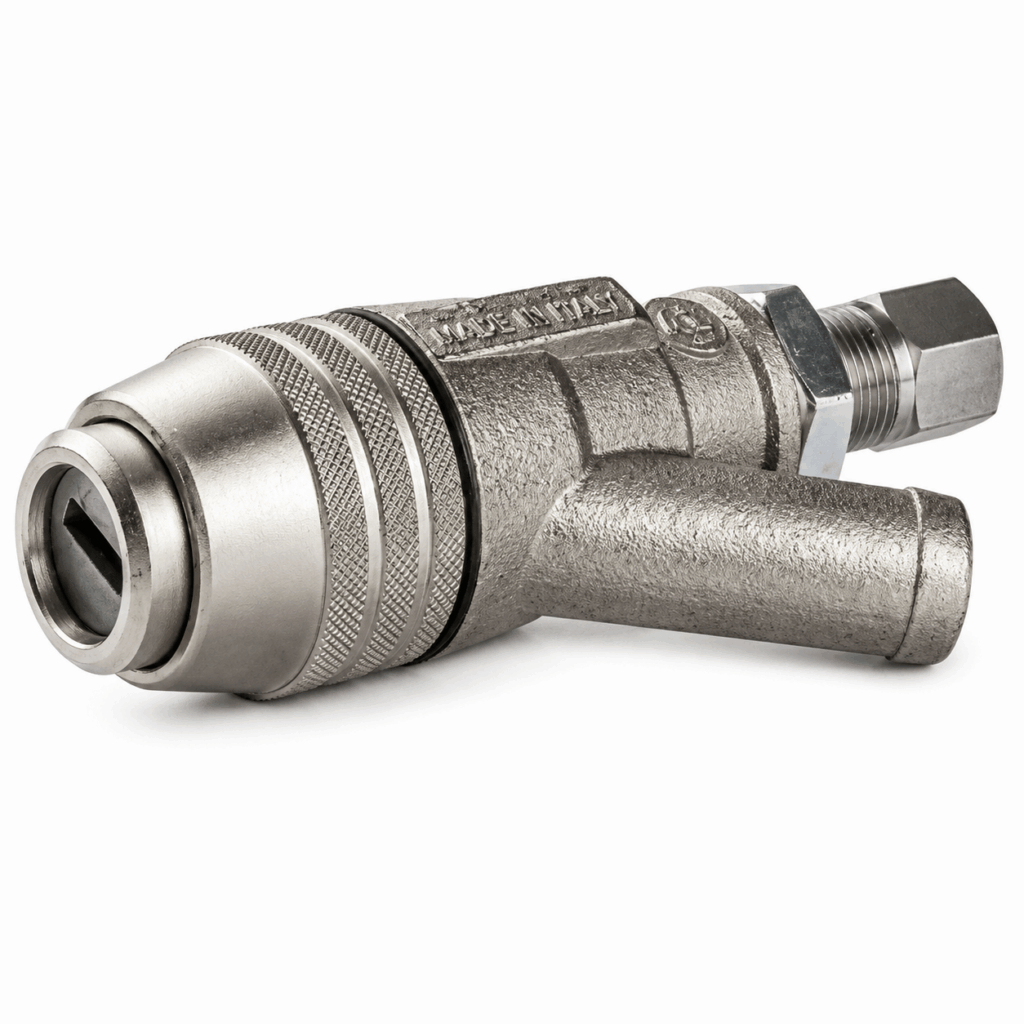
Sandblast Nozzles
The nozzle is like the cheapest part of the system and also the one that tends to fail fastest, because it’s basically the exact place where abrasive comes out at maximum velocity. When the nozzle bore wears, it gradually widens over time, which drops blast pressure. Operators then They have to compensate by easing off speed or running longer passes, which erodes productivity without anyone really noticing.
Tungsten carbide and boron carbide nozzles last longer than aluminium oxide versions when you’re dealing with heavy abrasive loads. The material selection matters more than most procurement teams realise when they compare unit price with cost per hour of use.
Blast Hoses and Couplings
Hoses carry abrasive under pressure from the pot to the nozzle, and they wear from the inside out, which means visual inspection alone won’t catch early degradation.
Couplings take a different kind of abuse from repeated pressurisation and depressurisation, loosening fittings, and a coupling failure under pressure is a genuine safety incident, not just a productivity loss.
Any operation running daily blasting cycles needs a hose replacement interval based on hours of use, not visual condition, because by the time a hose looks bad, it’s already been leaking abrasive for weeks.
Impellers and Control Cages
Inside the blast wheel, the impeller directs abrasive material from the centre feed spout to the blades, while the control cage regulates the pattern and width of the blast stream.
Both parts sit directly in the path of high-velocity abrasive, so they erode quickly. Impellers typically need replacement well before the blades do.
A worn control cage completely alters the blast pattern shape, meaning the operator is no longer blasting the surface area they believe they are, which results in inconsistent coating adhesion downstream.
Wear Liners and Protective Plates
Wear liners protect the interior surfaces of the blast cabinet, ductwork, and elbows from the constant abrasive impact that would otherwise erode the equipment housing itself.
Manganese steel, ceramic, and rubber liners each suit different abrasive types and blast angles, and picking the wrong liner material for the media you’re running shortens its life dramatically.
Liner failure doesn’t announce itself with a warning light; it shows up as abrasion breaking through the housing wall, which turns a $200 liner replacement into a full cabinet repair.
Abrasive Recovery System Components
Reclaim screws, cyclone separators, and air wash separators pull used abrasive back out of the debris stream, filter out fines and contaminants, and return clean, reusable media to the hopper.
A recovery system running below spec means the operation is burning through fresh abrasive faster than it should, and that cost hides easily inside a materials budget line instead of showing up as an obvious maintenance expense.
Founders who track abrasive consumption per hour catch degradation in the recovery system months before anyone notices it as a maintenance issue.
Dust Collection Components
Dust collector cartridges, pulse valves, and ductwork keep airborne particulate below regulatory thresholds and keep the work environment breathable.
Valves that stop firing on schedule let dust cake onto the filter cartridges, and that buildup reduces suction across the entire system, which means the blast cabinet stops containing the dust properly, and now it’s an air quality problem instead of a maintenance ticket.
Dust collection is the component category most likely to get deferred maintenance, and it has the most serious downside when it fails.
Personal Protective Equipment (PPE)
Blasting helmets, coveralls, and gloves aren’t consumables in the traditional sense, but they degrade with use just like mechanical parts do.
A helmet with a compromised air-feed hose or a cracked lens isn’t a minor issue; it’s an operator breathing unfiltered air next to a high-velocity abrasive stream.
Treating PPE replacement with the same rigour as mechanical wear parts isn’t optional at scale; it’s the difference between a safety programme that works and one that exists only on paper.
Common Signs That Blasting Equipment Components Need Replacement
Most component failures show signs before they cause a full stoppage, and the operations that catch problems early are the ones actively looking for them.
Performance-Based Signs
Blast pressure drops without a corresponding change in air supply. Surface profile results become inconsistent across passes that used to produce uniform finishes. Abrasive consumption climbs even though the job scope hasn’t changed.
Physical Warning Signs
Visible cracking, thinning, or pitting on liners, belts, and hoses. Unusual vibration or noise from the blast wheel assembly. Dust visibly escaping the cabinet during operation, which usually means a filter or seal has failed.
How Regular Spare Part Replacement Improves Equipment Performance
Scheduled part replacement costs money on a fixed calendar, while reactive replacement costs money on an unpredictable one. The difference is that reactive replacement always costs more, because a failed nozzle or worn liner damages adjacent components before anyone notices.
When operators use structured replacement intervals, they get steadier surface profile results, more predictable abrasive consumption and far fewer unplanned line stoppages.
The founders who push back on scheduled maintenance because it seems like a needless expense are often the same ones who later end up paying for an emergency shutdown that costs ten times as much.
Choosing High-Quality Blasting Equipment Components
Cheaper parts fail faster, which in a blast system means more frequent teardowns, more labour hours, and more abrasive wasted on inconsistent results. The real comparison isn’t unit price; it’s cost per operating hour, and a liner or nozzle that costs twice as much but lasts three times as long wins that comparison every time.
Match component material to your specific abrasive type and blast angle instead of defaulting to whatever the supplier stocks, because a generic part rated for general use will underperform a part engineered for your exact application.
Maintenance Checklist for Blasting Equipment Components
Daily
Inspect nozzle bore diameter. Check hose fittings and couplings for looseness. Confirm that the pulse valves of the dust collector are firing on cycle.
Weekly
Check conveyor and elevator belt tension. Inspect wear liners for visible thinning. Test dead-man control switch response.
Monthly
Measure abrasive consumption against baseline. Inspect blast wheel blades, impeller, and control cage for wear. Review filter differential pressure readings against the manufacturer’s threshold.
Why Quality Spare Parts Matter
A blast system is only as reliable as its weakest wear part, and that part is rarely the expensive one; it’s usually a $50 nozzle or a $200 impeller that someone deferred replacing to save the budget this quarter.
Low-quality spare parts fail unpredictably, which destroys the entire premise of scheduled maintenance, because you can’t plan around a part that might last two weeks or two months with no way to tell which.
Why Choose ITAICHU for Blasting Equipment Spare Parts
ITAICHU manufactures wear parts that align with the exact tolerances and materials your blast system requires, rather than sending generic bits and requiring you to work out the fit later. And that kind of specificity, honestly, matters more than most buyers’ clocks until they run a mismatched part and it fails early, like way sooner than expected.
PPE reduces the guesswork involved in stitching together parts from five different suppliers, each with its own quality standard, leaving your team to reconcile them.
Conclusion
Every worn nozzle, cracked liner, and clogged filter tells the same story: components fail quietly before they become visible, and the operations that succeed are the ones that pay attention early.
Scheduled replacement isn’t overhead; it’s the cheapest insurance against a shutdown that costs ten times more than the part itself would have.
Founders who standardise on quality blasting equipment from day one aren’t spending more; they’re just spending predictably, not reactively. The choice isn’t whether these components wear out. It’s whether you replace them on your schedule or on theirs.
FAQs
Blade replacement intervals depend on the abrasive type and throughput, but most operations check blades weekly and replace them every 200-400 operating hours. Impellers wear faster than blades and typically need replacement first, before any visible blade damage appears.
Blast wheels use centrifugal force for high-throughput jobs like structural steel, while nozzle systems use compressed air for precision work on smaller or complex surfaces. Wheels handle volume better; nozzles handle detail and confined spaces better.
Rising consumption usually signals a degraded recovery system, with worn reclaim screws, cyclone separators, or air wash units failing to filter and return usable media. Fresh abrasive gets consumed faster to compensate, quietly inflating material costs.
Hoses wear from the inside out, so visible cracking often means the hose has already leaked abrasives for weeks. Any coupling looseness or pressure inconsistency during operation should trigger immediate replacement, as pressurised failures can cause serious injury.
Cheap parts fail unpredictably, disrupting scheduled maintenance plans and often damaging adjacent components when they fail. Quality parts cost more per unit but less per operating hour, the metric that actually determines total maintenance spend over time.