When you skip any one abrasive process, then you have to pay for it twice. When founders are growing, they usually start neglecting these surface preparation abrasives, which cause the rejection of batches later.
Grit blasting sits right at the centre of that failure point more often than people expect; it’s the step that really decides whether everything you apply, like paint, powder coating, or plating, actually holds.
If you get the media mixed up, apply the wrong pressure, and use a slightly incorrect grit size, you will not be able to cure even a minor aesthetic problem. You’re rebuilding trust with a customer, and now they inspect every single shipment twice, constantly and not casually.
What is Grit Blasting?
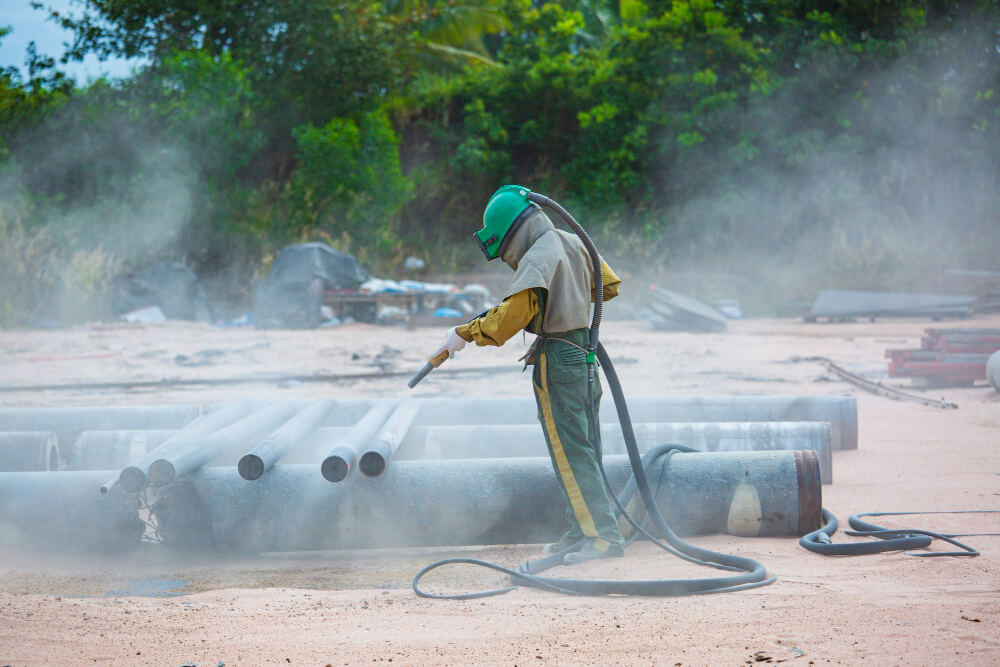
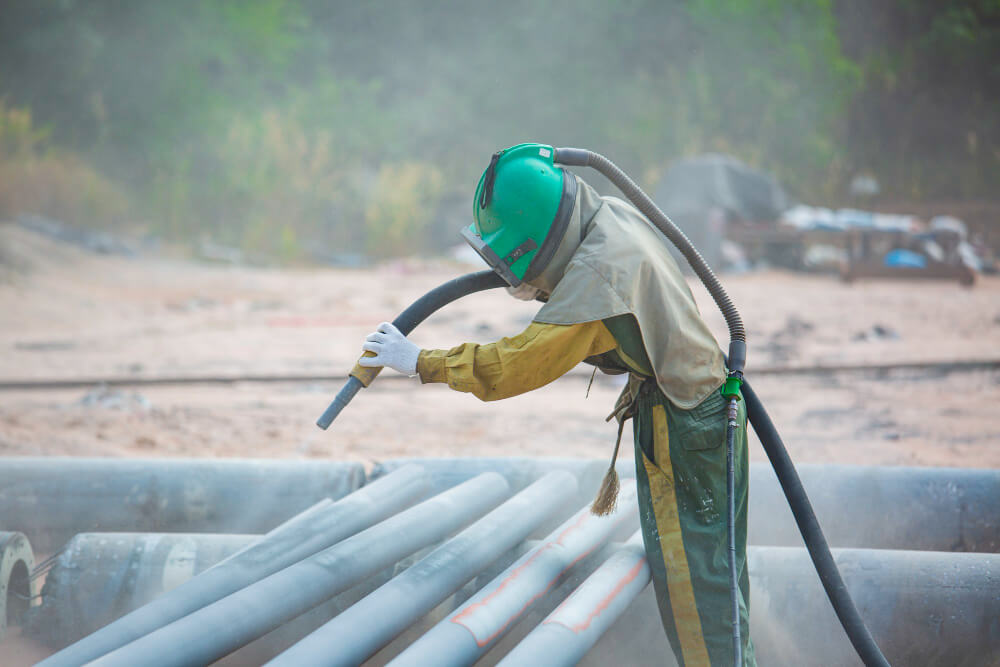
These blasts help to remove tough particles like old coating, remove rust, or scuff up the surface before doing a new coating. Manufacturers use it before painting, welding, or cleaning castings. They usually exchange sandblasting for this blasting, but both are not the same. If your process needs a profile a coating can actually bite into, this blasting delivers it. When you only need a light clean, you’re wasting money on media and compressor time.
How Grit Blasting Works
This machine works on the process that starts with scratching to pass over the blast wheel, then fires it through a nozzle at velocities between 60 and 150 mph depending on the setup. The particles strike the surface, fracture contaminants and oxide layers, and leave a textured profile behind.
Pressure blasting, which is suitable for detail work and smaller batches, and wheel blasting, which throws far more media per minute, are both suitable for high-volume production lines. Your throughput requirement decides the system, not the other way around. Founders who buy pressure equipment for volume work end up bottlenecked within a quarter.
Types of Abrasives Used in Grit Blasting
The choice of media significantly affects both your cost per part and the final look quality; if you choose incorrectly, both will suffer considerably.
- Steel grit: Angular, reusable, aggressive cut. Standard for heavy descaling and surface prep on thick steel.
- Aluminium oxide: This material is kind of sharp and tough; it works on non-ferrous metals and even composites with no embedding of contaminants in them.
- Garnet: Naturally angular, low dust, common where environmental controls matter.
- Glass bead: Rounded and gentle, it produces a smooth matte finish rather than a rough profile.
- Plastic media: Soft enough for delicate substrates, such as aircraft aluminium or fibreglass.
Each media type has a finite abrasive life and a different fracture pattern. Buying the cheapest option per pound almost always costs more per part once you account for consumption rate.
Steel Grit vs Steel Shot
Founders scaling a fabrication or coating line hit this decision early, and the two media get confused constantly because they come from the same source material.
Steel Grit
This one is crushed and screened after production, giving it sharp, angular edges. It cuts aggressively, strips coatings fast, and produces a rough anchor profile that primer and paint grip hard. Expect faster cycle times on heavy corrosion or mill scale.
Steel Shot
Steel shot stays spherical. It peens rather than cuts, compacting the surface and inducing compressive stress, which is useful for fatigue resistance on structural components but not for prepping a surface for coating adhesion. Shot leaves a smoother, less aggressive profile.
Pick the shot when you need a coating to stick. Pick a shot when you need the metal itself to resist cracking under repeated load. Mixing them up doesn’t just waste media; it produces parts that fail specs.
Applications of Grit Blasting
Shipbuilders use it to strip hull coatings before recoating. Structural steel fabricators use it to prepare beams for galvanising or painting. Foundries use it to clean castings and remove sand residue. Aerospace shops use a finer one to prep composite surfaces without damaging the fibre layers. Automotive restoration relies on it to strip decades of rust down to bare metal. Any industry that requires a clean, textured substrate for coating, welding, or inspection includes a blasting step in its process; the only question is which media and pressure to use.
Benefits of Grit Blasting
It improves the coating quality, which works out for the long term, and it helps keep things steady. This blasting strips away contamination in a mechanical way, so it doesn’t leave chemical residue the way acid etching tends to do.
Reusable media, like steel, tend to lower the cost per part over time compared to single-use options. The whole process is mechanical, so you can tune consistency across a production run, rather than depending on operator technique to land the specification every time.
Choosing the Right Grit Size
Its size determines both cut speed and finish roughness, and the relationship runs opposite to what people assume, so the coarser one cuts faster but leaves a rougher, less controlled profile.
- Fine (80-120 mesh) suits detail work and thin substrates where you can’t afford aggressive material removal.
- Medium (30-60 mesh) handles general-purpose descaling and prep.
- Coarse (8-16 mesh) strips heavy corrosion and thick scale fast, at the cost of surface control.
Match the size to substrate thickness first and coating requirement second. Blast a thin panel with coarse sand, and you’ll warp it before you finish the job.
Factors to Consider Before Selecting Grit Blasting Media
Substrate hardness sets your ceiling; soft metals need softer media, or you’ll gouge the surface instead of cleaning it. The required surface profile, measured in mils or microns, indicates the size before specifying the media type.
Contamination risk matters too; steel can embed trace iron in non-ferrous substrates, which shows up as rust bloom weeks later and fails your customer’s QC.
Budget per part matters more than budget per pound of media; a cheaper abrasive that breaks down faster and needs more frequent replenishment often loses to a pricier, more durable one. Environmental and disposal regulations in your facility’s jurisdiction can clearly eliminate certain media types outright before cost even enters the conversation.
Common Applications Where Steel Grit Performs Best
Steel is effective on thick carbon steel preparations or bridge components; structural beams, pipeline sections, and shipbuilding plates all have heavy mill scale that this media removes faster than any alternative.
It performs well in automated wheel-blast systems where reusability keeps operating cost down across high-volume runs.
Foundries use it to clean heavy castings, where the surface hardness can tolerate aggressive cutting without risking substrate damage.
Anywhere you need a deep profile anchor on ferrous metal before applying a heavy-duty coating system, steel is the default choice, not a compromise.
Common Problems During Grit Blasting
Media contamination tops the list; reused abrasives pick up oil, moisture, or fines from prior jobs and transfer them to your next part, undermining coating adhesion in ways that don’t show up until failure in the field. Inconsistent air pressure produces an uneven surface profile across a single part, which then coats unevenly.
Operators running it too fine for the job underprofile the surface, causing coatings to peel prematurely. Dust generation without proper containment creates both a safety hazard and a regulatory exposure.
Skipping media screening lets broken-down, rounded particles keep circulating well past their effective cutting life, quietly dragging your cycle times up without anyone noticing until throughput numbers start to slip.
Best Practices for Effective Grit Blasting
Screen your media regularly and pull degraded particles out of rotation before they compromise profile consistency. Match nozzle pressure to substrate thickness every time, not just at process setup. Control moisture in your compressed air line to prevent media clumps and cuts unevenly.
Train operators on dwell time and blast angle instead of assuming the equipment does all the work; a 90-degree angle held too long will over-profile and waste media.
Track abrasive consumption per part so cost creep shows up in your data before it shows up in your margins. Document your blast parameters per part type so quality doesn’t depend on which operator ran the shift.
Why High-Quality Steel Grit Matters
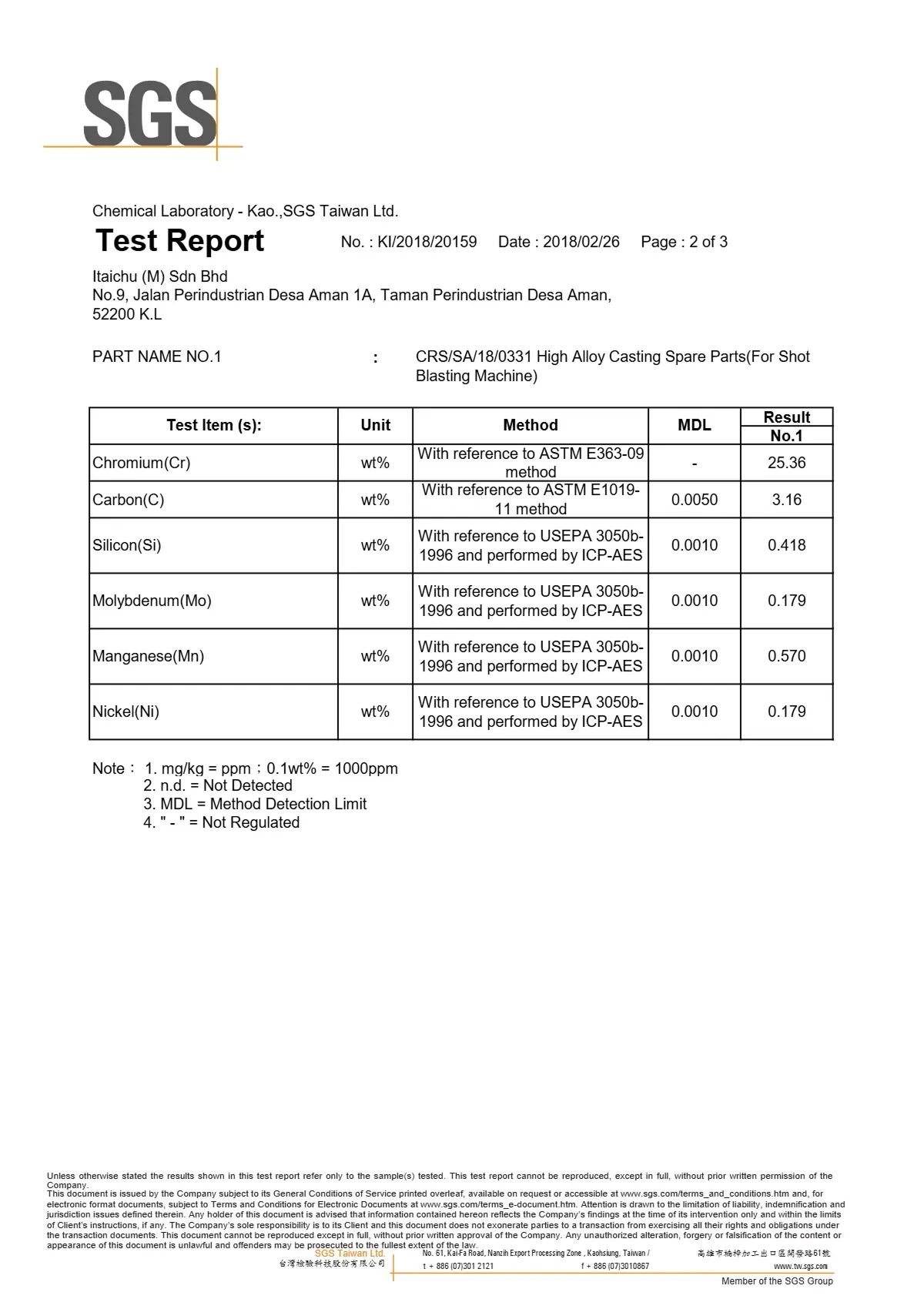
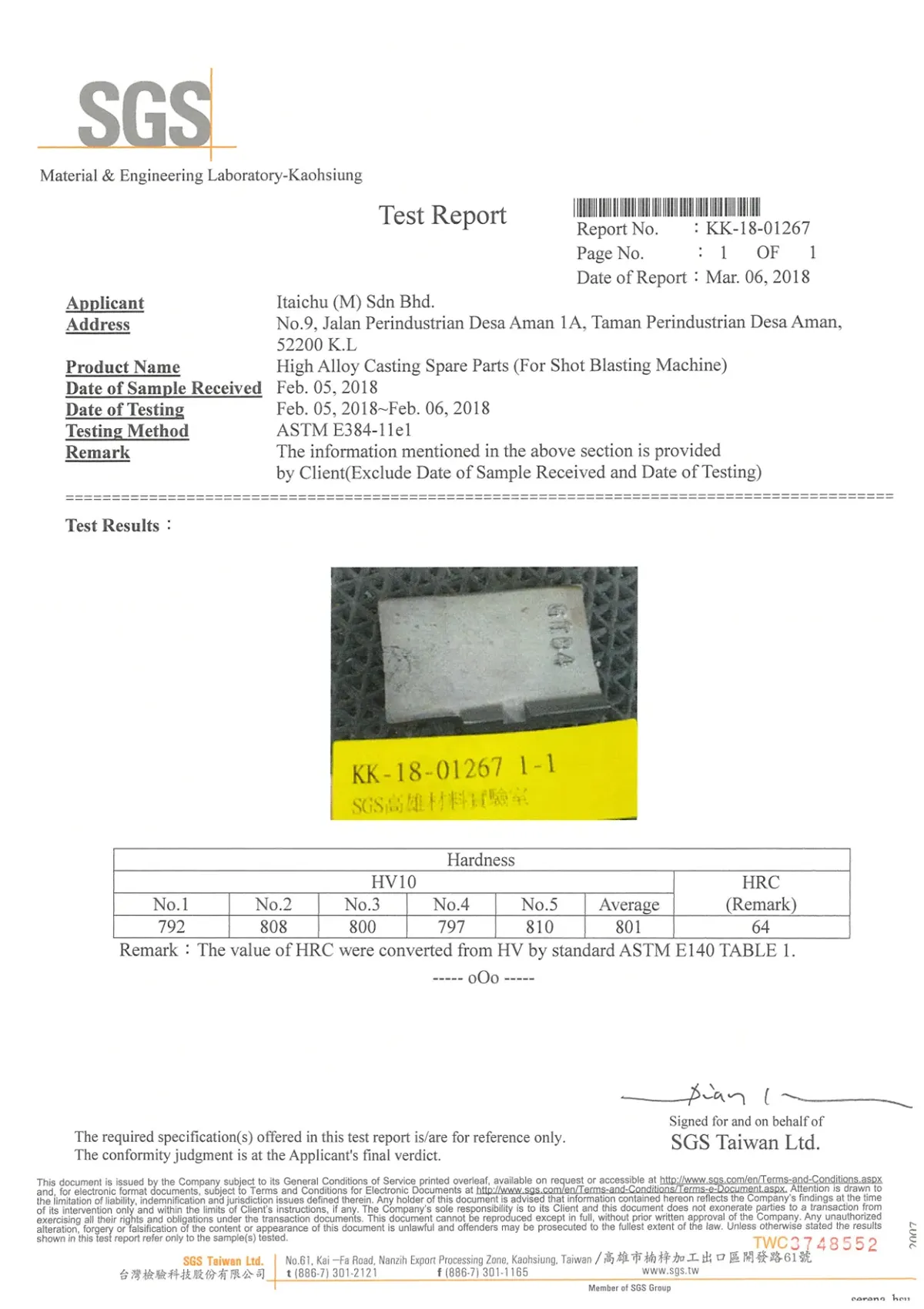
Low-quality steel fractures unevenly and breaks down into fine dust faster, which means you burn through more media per part and get less consistent profile depth in return. High-hardness, properly heat-treated steel maintains its angular shape longer, cuts more predictably, and reduces the embedded-fines problem that compromises coating adhesion.
The upfront cost difference between cheap and premium steel disappears fast once you count reduced consumption, fewer rejected parts, and less line downtime for media changeouts. Founders running lean manufacturing operations feel the impact in their margins within the first production quarter, not the first year.
How to Select a Reliable Grit Blasting Supplier
Check whether the supplier tests hardness and particle size distribution on every batch, not just at initial certification. Request consistency data across shipments; if abrasives perform differently from lot to lot, this requires your operators to constantly recalibrate. Confirm lead times match your production cadence; a supplier who’s cheaper but slower costs you in downtime what you saved in unit price.
Look for suppliers who understand your specific substrate and coating requirements well enough to recommend media, not just sell whatever’s in stock. And verify they can scale with you; a supplier sized for prototype-stage orders won’t necessarily hold quality or lead time once your volume triples.
Why Choose ITAICHU for Abrasive Blasting Solutions
ITAICHU approaches abrasive supply like a technical founder approaches a vendor relationship, treating it as an engineering partnership rather than a transaction.
That means batch-level quality control, media selection guidance based on your actual substrate and coating system, and lead times built around production schedules instead of warehouse convenience. If your current supplier treats every order the same regardless of your specs, that’s the gap ITAICHU is built to close.
Conclusion
Grit blasting isn’t a commodity process, and treating it like one costs you in rejected parts, coating failures, and cycle time you can’t get back.
The founders who get this right treat surface prep as an engineering decision, not a shop-floor formality; they match media to substrate, track consumption per part, and pick suppliers who test every batch instead of shipping whatever’s in stock.
That discipline is what separates a coating that lasts from one that peels within a season. Get the right blasting once; build it into your process documentation, and it will stop being a variable you have to think about again.
FAQs
‘Sandblasting’ is a general term often referring to lighter abrasives like sand or glass beads, while ‘grit blasting’ specifically uses angular, aggressive media like steel or aluminium oxide for deeper surface profiles and faster coating removal on tougher substrates.
It depends on media type and usage volume, but steel media should be screened regularly to remove degraded, rounded particles. Waiting too long allows worn-out abrasives to keep circulating, which quietly reduces cut efficiency and surface profile consistency throughout your production run.
Yes, if size and pressure aren’t matched to material thickness. Coarse steel at high pressure can warp thin panels or fatigue delicate metals. Softer media like glass beads or plastic media work better for aluminium, composites, or thin-gauge parts.
Often, yes. This blasting removes contamination mechanically; it eliminates oils, rust, and old coatings without leaving chemical residue behind. Some heavily oiled or greased parts still need a degreasing pass first, so contaminants don’t embed into the fresh profile.
Peening uses controlled impact to compress a metal surface and extend fatigue life, while blast cleaning removes contaminants like rust, scale, or paint. Both use similar media but different size, hardness, and intensity settings.