This is the abrasive process in the universe that makes the metal surface useful. The operator on the floor grabs it without much thought until a coating fails inspection or a wheel wears out like three months too early. That is usually the moment someone finally circles back and asks what’s actually being pushed into the blast wheel in the first place.
The truth is that shot blasting shots determine far more than just surface cleanliness. They decide how long your equipment works, how consistent your surface profile turns out, and how much you spend reworking parts that never should have failed spec in the first place.
What Are Shot-Blasting Shots
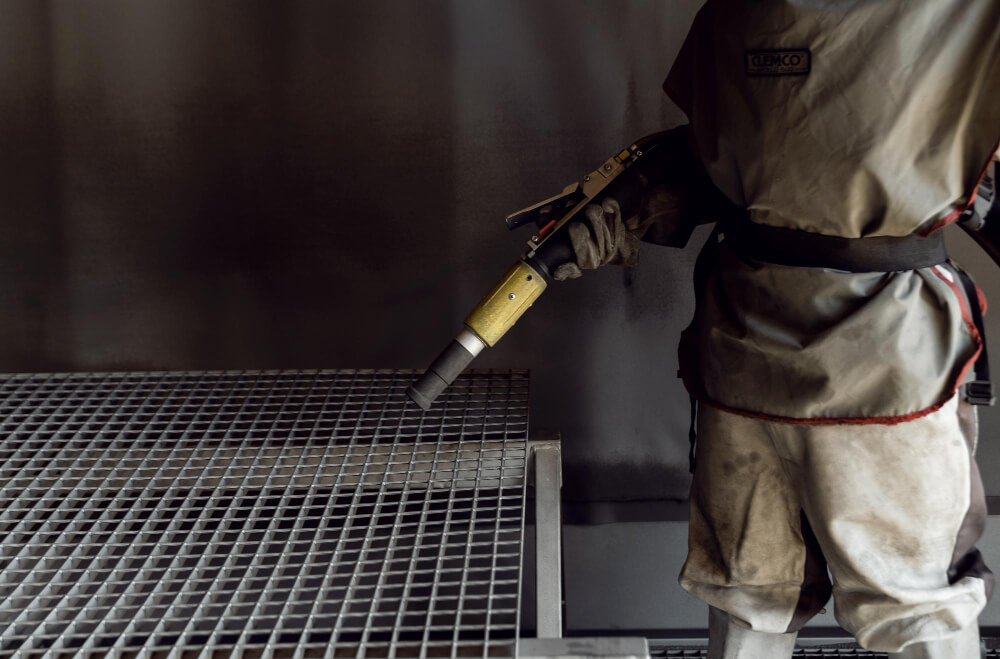
This process uses dense particles of metal that blast on wheels. Air pressure from the nozzle blasts to clean the contaminants from the surface of workpieces.
Manufacturers usually cast them from steel, cut them from wire, or make them from stainless alloys, depending on the job at hand. The shots help strip rust, take off scale, clean up welds, and get the metal ready for coating or paint to basically get everything primed for what comes next.
The term covers a family of products, not one item. Size, shape, hardness, and material all change the outcome. A founder running a metal fabrication shop or a manufacturing startup needs to treat shot selection as a process decision rather than a procurement afterthought.
Why the Right Shot-Blasting Shots Matter
The wrong shot size or type damages equipment, slows throughput, and produces inconsistent surface finishes that fail quality inspection. Blast wheels wear out faster when the shot mix contains too many broken or irregular particles. Coating adhesion drops when the surface profile doesn’t match the specification. Rework costs climb when operators run the wrong media for the job.
Series A manufacturing companies scaling production can’t absorb these losses the way a legacy shop with decades of buffer stock can. Every batch of shot you buy either supports your throughput targets or works against them.
Types of Shot-Blasting Shots
Three main categories dominate the market, and each solves a different problem.
Cast Steel Shot
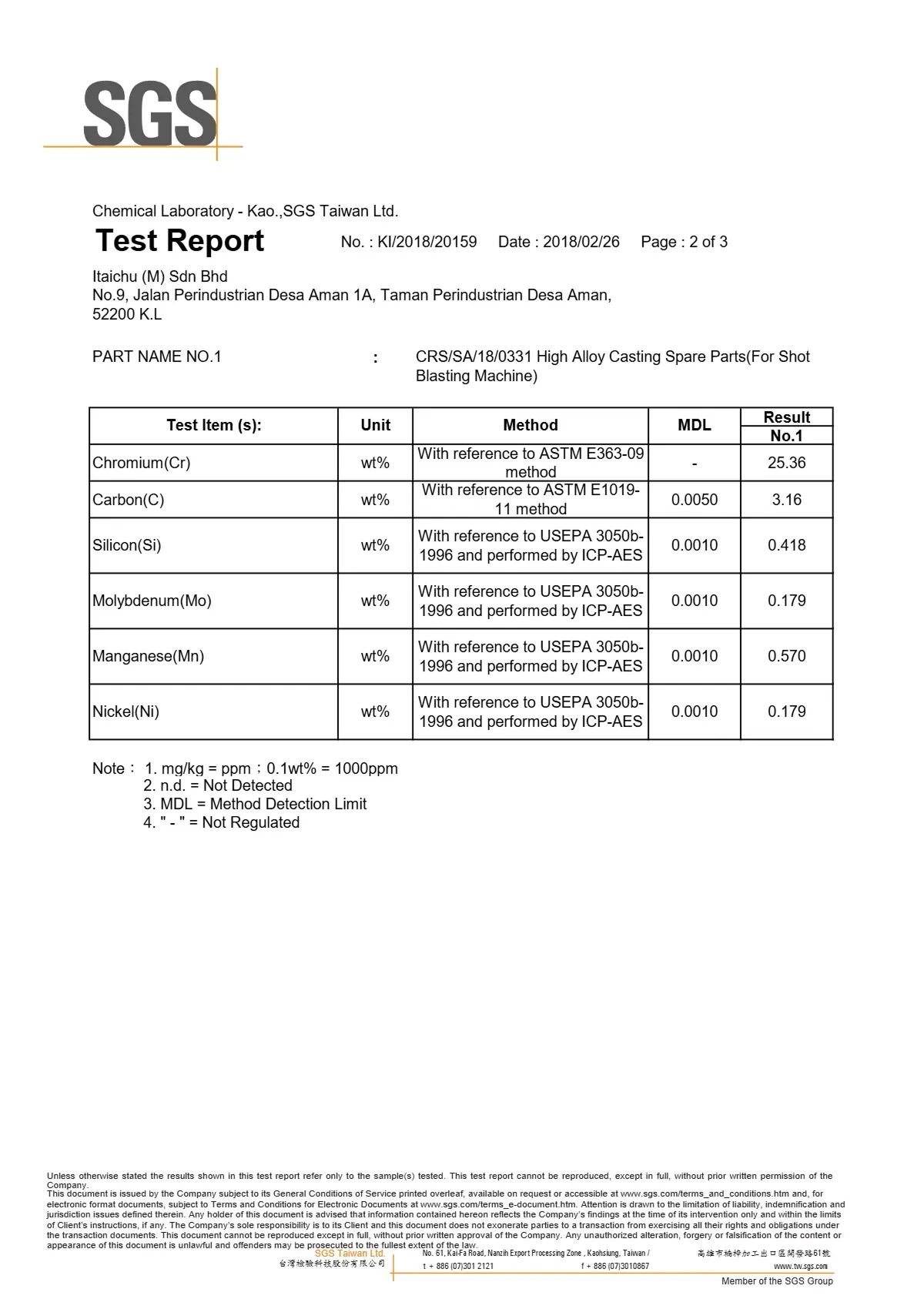
They produce cast steel shot by adding melted metal into a stream of water or air, which forms round droplets that solidify into spherical particles.
Heat treatment then sets the hardness. This shot provides a smooth finish, mainly by doing its peening, descaling, and general cleaning. It’s the default choice for most wheel-blast systems because it holds its shape through repeated cycles and resists shattering.
Cut Wire Shot
Manufacturers cut this shot from steel wire into short cylindrical pieces, then round the edges through a conditioning process. Cut wire shot delivers a more uniform hardness distribution than cast shot because the wire itself goes through a controlled drawing process before being cut. Aerospace and automotive peening operations often specify cut wire shot when fatigue performance and consistency are more important than cost.
Stainless Steel Shot
Stainless steel shot solves a contamination problem. These shots tend to leave iron particles on soft or even non-ferrous surfaces, and later those spots can catch rust.
Stainless steel shot kind of removes that worry, so most operations, when they are blasting aluminium, stainless parts, or food-grade equipment, choose it, even if it costs a bit more per pound.
Steel Shot Sizes and Their Applications
Size determines impact energy, coverage speed, and surface roughness. SAE J444 sets the standard naming convention in North America, using an “S” prefix followed by a number tied to sieve size.
| SAE Size | Nominal Diameter (mm) | Best Use |
| S70 | 0.18 | Delicate peening, thin components |
| S110 | 0.28 | General paint and coating removal |
| S170 | 0.42 | Light to medium surface cleaning |
| S230 | 0.60 | Rust removal, medium prep |
| S330 | 0.85 | Heavy scale, aggressive cleaning |
| S460 | 1.20 | Pipeline and heavy-duty parts |
| S660 | 1.70 | Large equipment, shipbuilding |
| S780 | 2.00+ | Industrial-scale descaling |
These small shot blasting shots cover surface areas per round, producing a finer finish that suits peening and pre-coating prep.
A larger shot carries more kinetic energy per particle and strips heavy contamination faster, but it leaves a rougher profile and consumes more media per hour. These sizes cut operating costs compared to any other single decision in the buying process.
How to Choose the Right Shot-Blasting Shots
Start with the substrate. Soft or thin materials require smaller, lower-hardness shots to avoid warping or over-penetration. Thick structural steel can tolerate larger, harder shots without damage.
Check your equipment’s design tolerance. Wheel-blast machines have a rated size range, and running shot outside that range accelerates wear on blades and control cages. Air blast systems tolerate more variation but still perform best within a defined window.
Factor in cycle time targets. If your production line is running on tight throughput numbers, then a slightly larger shot that clears the surface faster might beat a finer shot that gives a marginally better finish nobody downstream actually needs.
Steel Shot vs Steel Grit
Steel shot is round. Steel grit is angular, produced by crushing steel shot into irregular fragments. That single shape difference changes everything about how each performs.
Steel shot delivers a compressive, peening-style impact that smooths the surface and extends fatigue life in metal parts. It lasts longer in service because its rounded shape resists cracking on impact. Steel grit cuts and gouges the surface, which strips coatings and scale faster but leaves a rougher, more aggressive profile. Grit wears out faster than shot because its sharp edges fracture more easily under repeated impact. Choose shot when the job calls for peening, finishing, or a smooth surface ahead of coating.
Industries That Use Shot-Blasting Shots
Automotive manufacturers use steel shot to peen suspension components, gears, and springs, extending fatigue life on parts that see constant cyclic stress. Aerospace suppliers rely on cut Wire shot is used for the same reason, but with tighter tolerances, because a failed component in flight carries a different risk profile than one in a car.
Shipbuilders and offshore fabricators use coarse steel grit and large shot to strip mill scale and old coatings from steel plate before repainting. Foundries use shot to clean castings straight off the mould, removing sand and surface defects before machining them. Structural steel fabricators run shot and grit through automated lines to prep beams and plates for primer coats ahead of construction.
Characteristics of High-Quality Shot-Blasting Shots
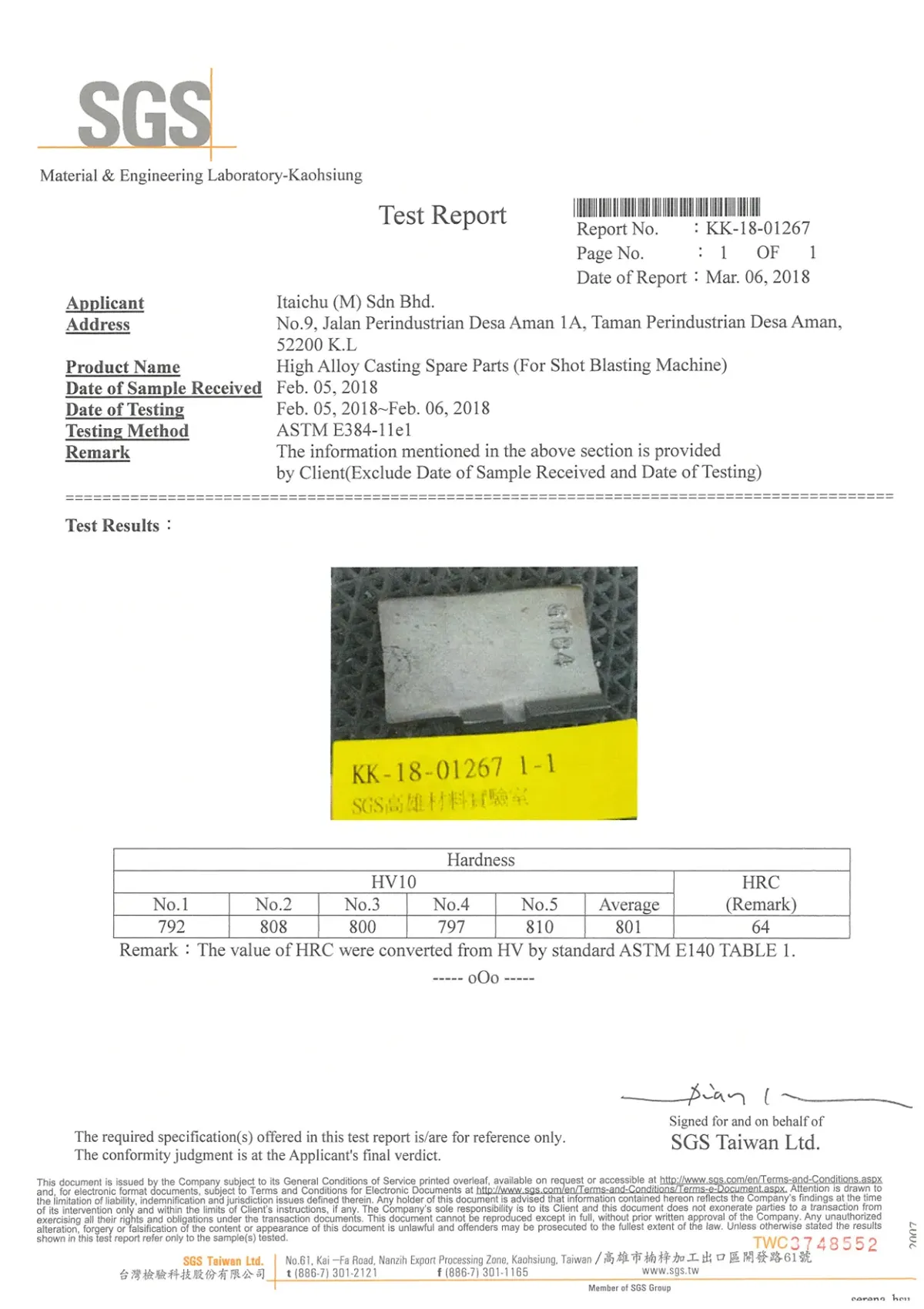
High-quality shot holds a consistent, controlled hardness range across the batch. Hardness that varies wildly from particle to particle produces inconsistent peening intensity and unpredictable wear rates.
Roundness matters as much as hardness for shots specifically. A batch containing a high percentage of broken or irregular particles behaves more like grit, altering the surface finish you are trying to control. Reputable suppliers report roundness percentage on their spec sheets, and you should ask for it if they don’t.
Low-inclusion, clean-microstructure steel resists premature fracture. A shot made from a poorly controlled alloy composition breaks down faster, which means you buy more media to do the same job. Consistent particle size distribution within the stated grade also matters, because a batch with excessive fines or oversize particles skews your blast pattern and coverage rate.
Common Problems Caused by Poor-Quality Shots
Poor-quality shots break down fast, and broken particles behave differently than intact ones, throwing off your surface finish mid-run without warning. Operators often don’t catch the drift until a batch fails inspection downstream.
Inconsistent hardness produces uneven peening intensity, which undermines the fatigue-life improvement the process exists to deliver. A part that appears properly peened can still fail early in service if the actual compressive stress layer has not formed to specifications.
Excessive fines and dust from low-quality shot clog dust collection systems and increase maintenance downtime. Contaminated shot, especially batches with foreign material or inconsistent alloy composition, accelerates wear on wheels, blades, and control cages, turning a media cost problem into an equipment cost problem.
Rework from failed surface prep costs more than the media itself. A part that fails a coating adhesion test after a bad blast run means stripping, reblasting, and recoating, plus the labour and downtime that come with it.
Best Practices for Maximizing Shot Performance
Screen your shot regularly to remove broken particles and fines before they degrade your blast pattern. Most operations run the screening process on a scheduled interval tied to media consumption volume, not a calendar guess.
Match replenishment rate to actual consumption data instead of a fixed schedule. Shot breaks down at different rates depending on hardness, equipment type, and workpiece material, so a generic replenishment interval either wastes media or lets quality drift.
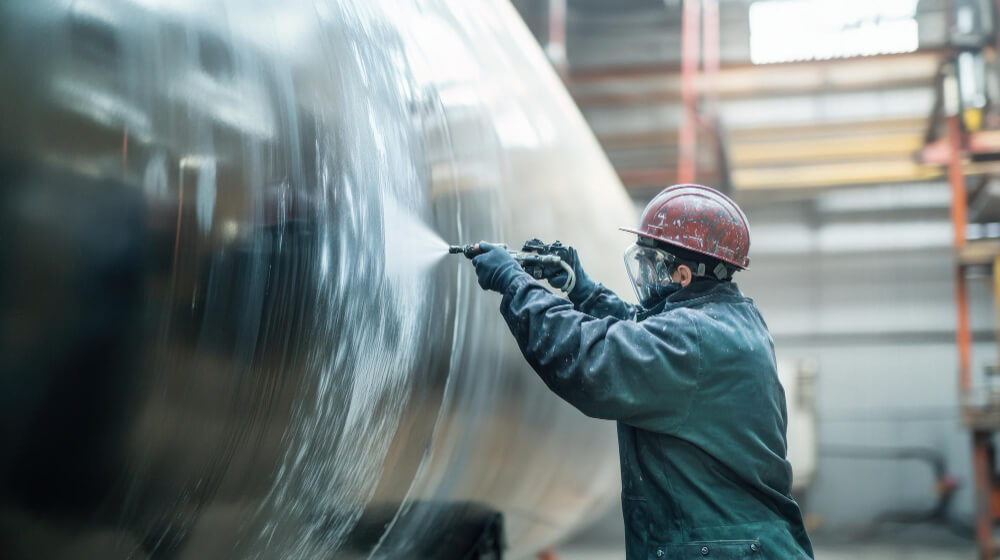
Calibrate wheel speed and air pressure to the shot size you’re running. Equipment tuned for one size underperforms or overworks when you switch grades without adjusting settings.
Track hardness and roundness on incoming batches instead of assuming supplier consistency. Variance between batches from the same supplier happens more often than buyers expect, and catching it at receiving costs far less than catching it after a failed production run.
Store the shot in dry, contamination-free conditions. Moisture causes rust on carbon steel shot, and rust changes both the hardness and the surface behaviour of the media before it ever hits a part.
Why Manufacturers Prefer Steel Shot
Steel shot has a tendency to deliver a longer run life compared with grit, and that can push the cost per tonne of parts processed down even if the initial price per pound looks higher. The way it’s round helps it resist fracture, so in a given batch, the material tends to endure more blast cycles before it has to be swapped out.
Manufacturers running peening operations don’t substitute the steel shot’s compressive impact profile. No other common media replicates the fatigue-life improvement that round, hardened steel particles deliver at scale. For operations balancing throughput, equipment wear, and part performance, steel shot’s combination of durability and controllable hardness makes it the default choice over grit, sand, or other alternative media.
What to Consider Before Purchasing Shot-Blasting Shots
Confirm the shot meets the standard your industry or customer contract specifies, whether that’s SAE J444, ISO 11124, or a customer-specific spec sheet. Buying off-spec media risks failing inspection regardless of how well it performs on the blast line.
Request hardness range, roundness percentage, and chemical composition data from every supplier you evaluate. A supplier unwilling to share this data is a signal to keep looking, not a minor inconvenience to work around.
Calculate cost per tonne of parts processed instead of cost per pound of media. A cheaper shot that breaks down twice as fast costs more in the long run, and that math only shows up when you track consumption against output.
Evaluate supplier consistency across multiple orders, not just the first sample batch. The sample that wins your business isn’t always representative of what ships six months later once volume commitments lock in.
Why Choose ITAICHU Steel Shot
ITAICHU manufactures steel shot to controlled hardness and roundness specifications, with test data available on request for every batch. The company produces cast steel shot, cut wire shot, and stainless steel shot, covering the range most manufacturing operations need without switching suppliers between projects.
For founders scaling a manufacturing operation, a single supplier that documents consistency across batches removes one variable from an already complex production line. ITAICHU’s production process targets a low-fines, controlled-microstructure output that reduces equipment wear and maintains a predictable surface finish from run to run.
Conclusion
Choosing the right shot blasting shots media is not a one-time decision. Equipment wears out, the specs shift, and suppliers drift in consistency more often than most buyers think. The founders who manage to stay ahead of the game treat their shot blasting like any other production input, which is measured, tested, and checked against real output numbers, not just vibes or gut feelings.
That kind of discipline leads to fewer failed inspections, longer life for your equipment, and a better cost per part over time. Try building the habit of checking your media the same way you check your machines, and suddenly surface prep stops turning into a repeating annoyance and becomes one less thing you have to think about.
FAQs
S230 works well for most rust removal jobs, offering a balance between cleaning speed and surface finish. For heavier rust or scale, move up to S330 or S460 depending on substrate thickness and required profile.
Replacement depends on consumption and breakdown rate, not a fixed schedule. Screen batches regularly, track fines percentage, and replenish when roundness or hardness drops below your process specification, not on a calendar guess.
Not without checking compatibility first. Grit’s angular shape wears wheels, blades, and control cages differently than round shot, and running the wrong media through mismatched equipment accelerates damage and shortens component life.
Yes, stainless steel shot costs more per pound, but it eliminates iron contamination on soft or non-ferrous surfaces. For aluminium, food-grade, or corrosion-sensitive parts, the added cost prevents rust staining and rework later.
Peening uses controlled impact to compress a metal surface and extend fatigue life, while blast cleaning removes contaminants like rust, scale, or paint. Both use similar media but different size, hardness, and intensity settings.