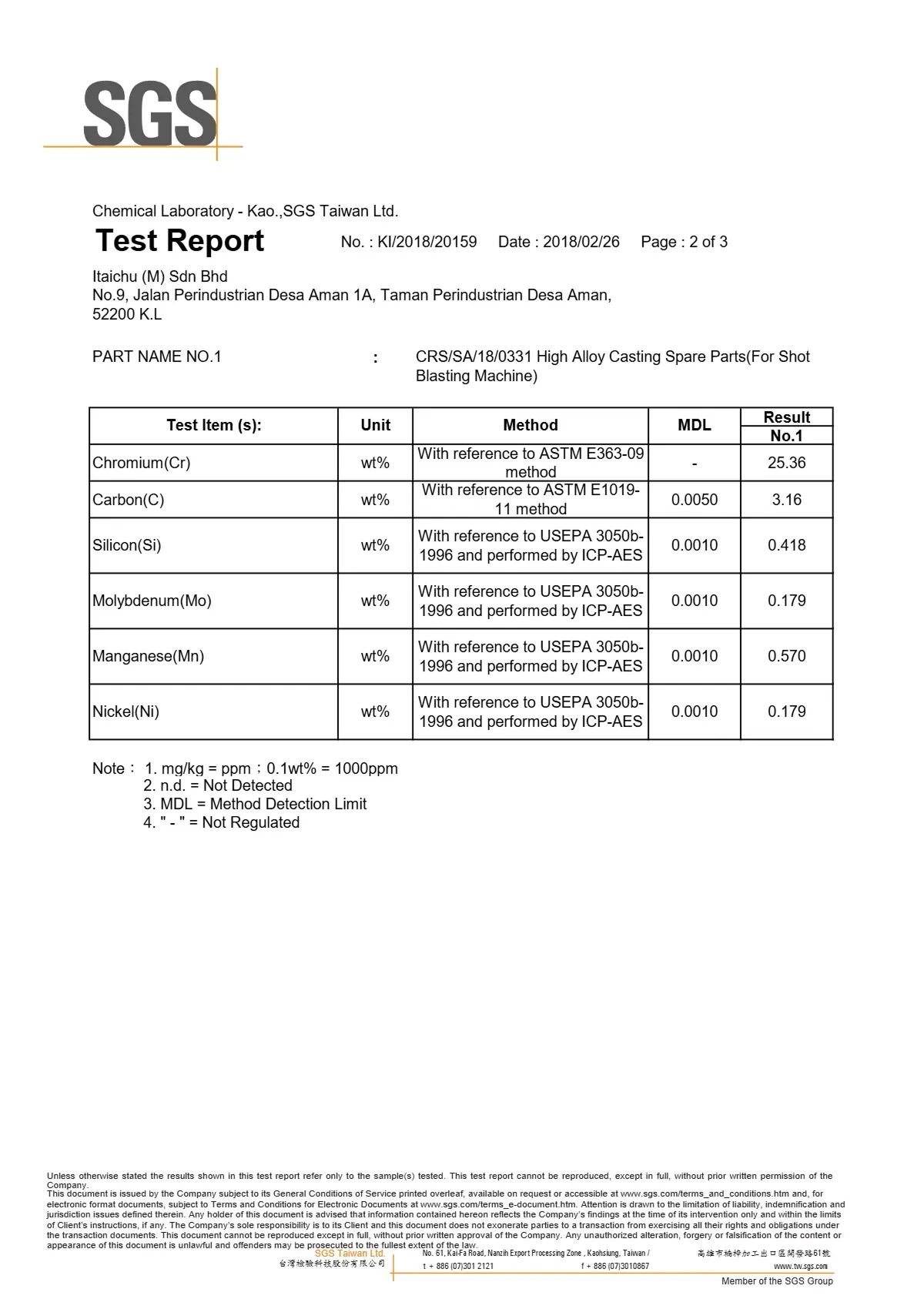
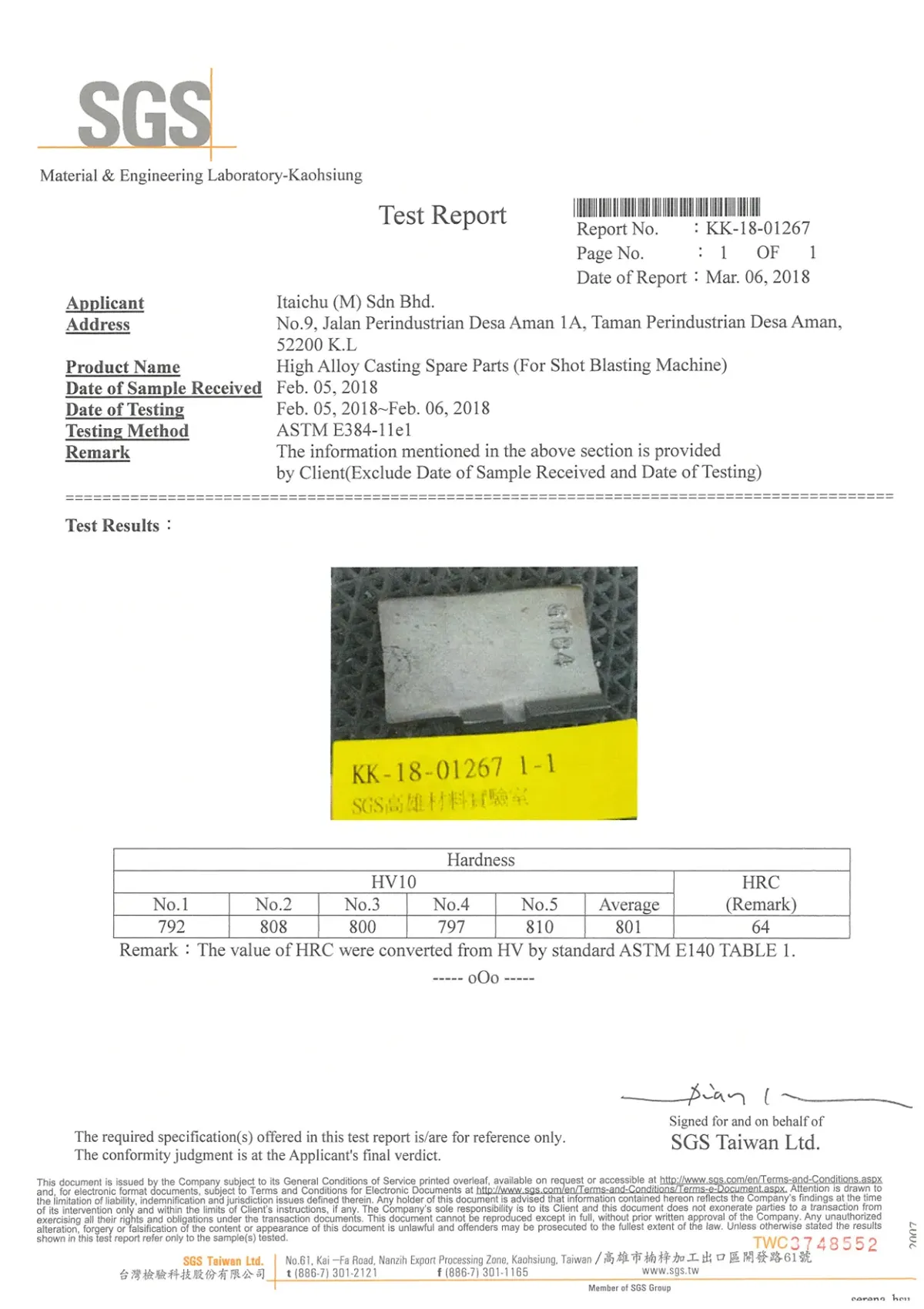
In workshops and large factories, skilled workers use tools to shape heavy metal into functional parts. Before painting or coating these objects, the surface area should be cleaned and prepared. One powerful method called shot blasting helps them to achieve this. In this process, small particles are blasted at high speed to remove dirt, rust, or existing layers from metal. It also helps to add new layers to hold the surface quickly and efficiently. This method is gaining popularity in many industries to improve quality and make parts last longer. This blog guide will explore how this blasting works, what machines perform it, and how different industries rely on this trusted method.
What Is Shot Blasting?
It is a technique where small, round particles strike a surface at very high speeds. This strong impact removes unwanted materials like rust, paint, or dust. It also changes the texture of the surface to make it smoother or rougher, depending on the need. Blasting does not involve chemicals or water; it depends only on physical force.
People often mix up shot blasting with grit blasting. While both do similar things, they use different shapes of particles. This blasting uses round particles, while grit blasting uses sharp or jagged ones. These particles are known as “media”. Each type of media leaves a different finish.
Types of Shot Blasting Methods
Different types of blasting help clean or prepare surfaces in unique ways. The main methods include:
1. Grit Blasting
Grit blasting uses particles with rough or pointed shapes. These grains scrape the surface like sandpaper but work much faster. It’s used to clean or give a rough pattern to metal before painting or coating.
2. Wet Blasting
This method uses both water and abrasive particles. The water softens the blow and creates less dust. It’s helpful when dust needs to stay low, but the cleaning takes more time.
3. Bead Blasting / Shot Peening
This technique uses round particles to gently push into the surface without removing too much material. It helps to strengthen the metal by making it more compact and less likely to crack. Shot peening works well for small machine parts like springs or turbine blades.
4. Wheel Blasting
Wheel blasting spins a wheel at high speed to hurl media at the object. It doesn’t use air, just the spinning wheel’s force. This method works best for repeating shapes and saves media by recycling it many times.
Shot Blasting Process
To begin, workers load the machine with the right type of media. Then they place the item inside. The machine throws the media at high-speed using air or a spinning wheel. The strong impact removes rust, old coatings, or dust. It also gives the surface the right texture for painting.
After the blasting, the machine gathers used media. It filters the clean grains for reuse and dumps the broken ones. Some machines blast automatically. Others allow workers to control the process using handles, gloves, or switches.

Shot Blasting Equipment
Several types of machines carry out shot blasting. Each type works best in different settings.
1. Blast Pots
Blast pots work like portable blasting machines. Workers fill them with media and connect them to an air compressor. The pot pushes media through a hose. A handle, called a deadman, gives the worker full control. They can stop the process instantly if needed.
2. Blast Cabinets
Blast cabinets look like boxes with gloves attached. Workers slip their hands into the gloves and control the blasting inside. A clear window helps them watch the process. These cabinets collect and reuse the media, which makes them clean and cost-effective.
3. Blast Rooms
Blast rooms act like large cabinets. They hold large items like trucks, beams, or ships. Workers wear full safety gear and step inside to control the blasting. Some rooms also run robots to do the work automatically. Inside the room, special tools clean the air and reuse the blasting media.
Shot Blasting vs. Other Surface Treatments
Shot blasting uses a strong, dry force. It doesn’t soak the surface with chemicals or water. Other methods, like sanding or chemical washing, work more slowly. They might also leave marks or mess behind.
This blasting method removes rust and prepares the surface quickly. It creates an ideal texture without requiring extra steps. Additionally, it hardens the surface, helping to prevent future cracks and wear.
Benefits of Shot Blasting
Shot blasting gives several strong advantages:
- Clears away old paint, grime, and rust with ease
- Prepares surfaces so paint or coatings stick better and stay longer
- Improves strength by making the surface tighter and firmer
- Reduces waste by collecting and reusing blasting media
- Handles many shapes and sizes, from tiny parts to huge machines
Because of all these benefits, workers across industries pick shot blasting to get the job done right.
Industrial Applications
Shot blasting plays a key role in many industries:
- Automotive shops use it to prepare car parts before painting.
- Shipbuilders clean steel sections to join them neatly.
- Rail workers prepare train parts for coating and repair.
- Builders treat beams and tools for strong structures.
- Machine makers finish gears and engines to run better.
Because of its clean results and quick process, this technique fits many industrial jobs.
How to Choose a Shot Blasting Service or Machine
Picking the right machine or service means thinking carefully about a few things:
- Size of the item: Cabinets work best for small pieces, rooms fit for large items.
- Surface condition: Rough particles work well on tough layers, smooth ones suit soft or polished parts.
- Place of work: Mobile blast machines are used for outside jobs. Choose blast rooms for indoor spaces.
- Reuse of media: Pick reusable media for frequent use, and choose cheaper media suitable for short- or one-time work.
If you’re unsure, talk with a specialist. A trusted expert will help match the right tools and media to your needs.
Conclusion
Shot blasting offers a strong and smart way to prepare metal surfaces. It removes rust, smooths textures, and builds strength without using water or harsh chemicals. Workers in car shops, factories, rail yards, and shipyards count on this method every day. From small cabinets to large blast rooms, the tools all work to clean and prepare surfaces fast and well. This powerful method keeps work moving, saves time, and supports many industries with solid, lasting results. When done right, this blasting process helps shape the strength and quality of the world we build.
FAQs
Shot blasting uses round particles, while grit blasting uses sharp-edged ones. This blasting method feels smoother and works gently, while grit blasting cuts deeper into the surface.
No. When used the right way, it cleans unwanted layers and strengthens metal without damaging it. Workers must choose the right media and pressure.
Yes. When workers wear safety gear and follow the steps, shot or other abrasive blasting remains safe and works well in factories and workshops.